ACRYLIC DISPLAY CASES + PEDESTALS
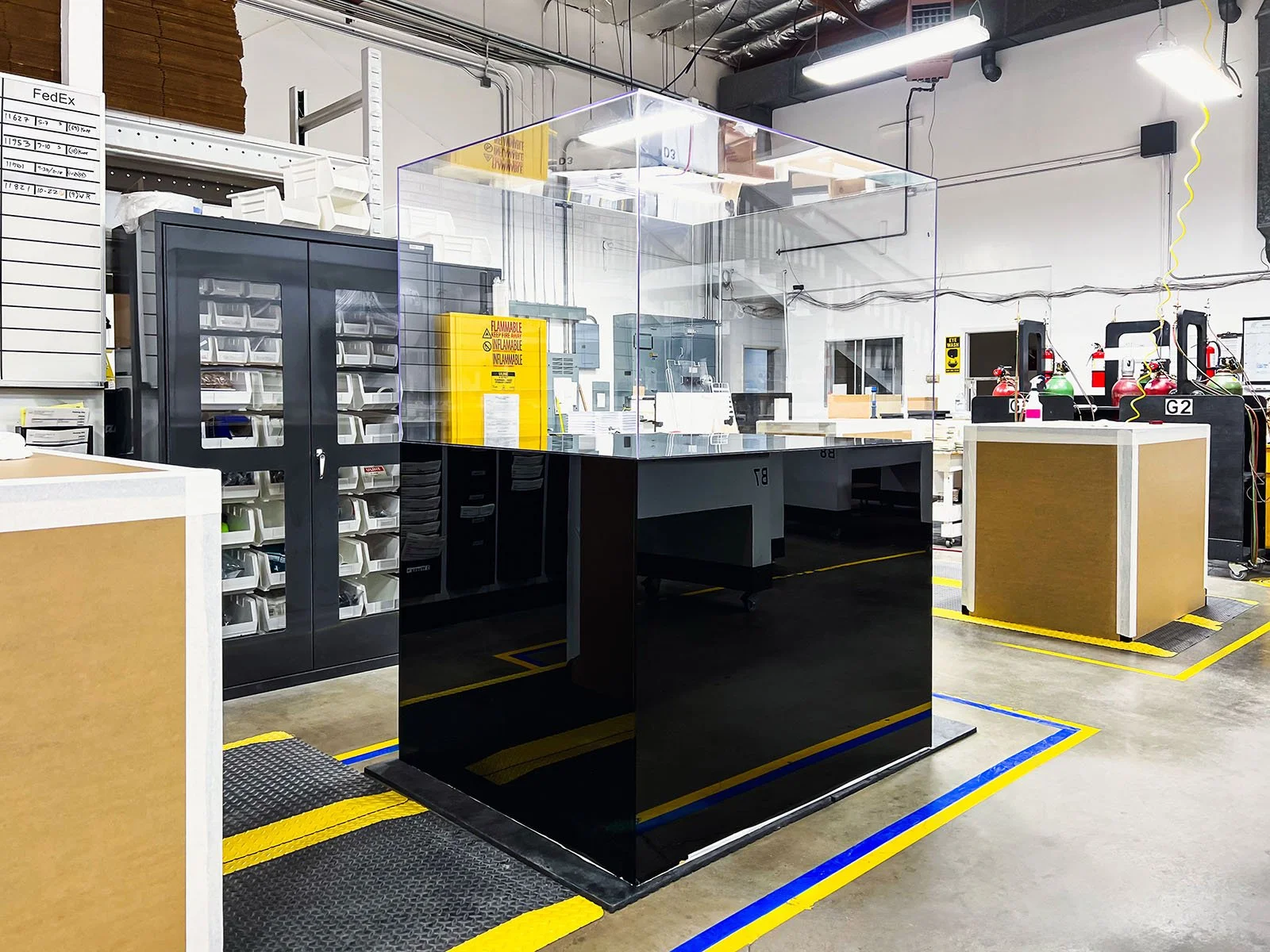
Integrated Vitrine + Pedestal Systems Built as One Matched Unit
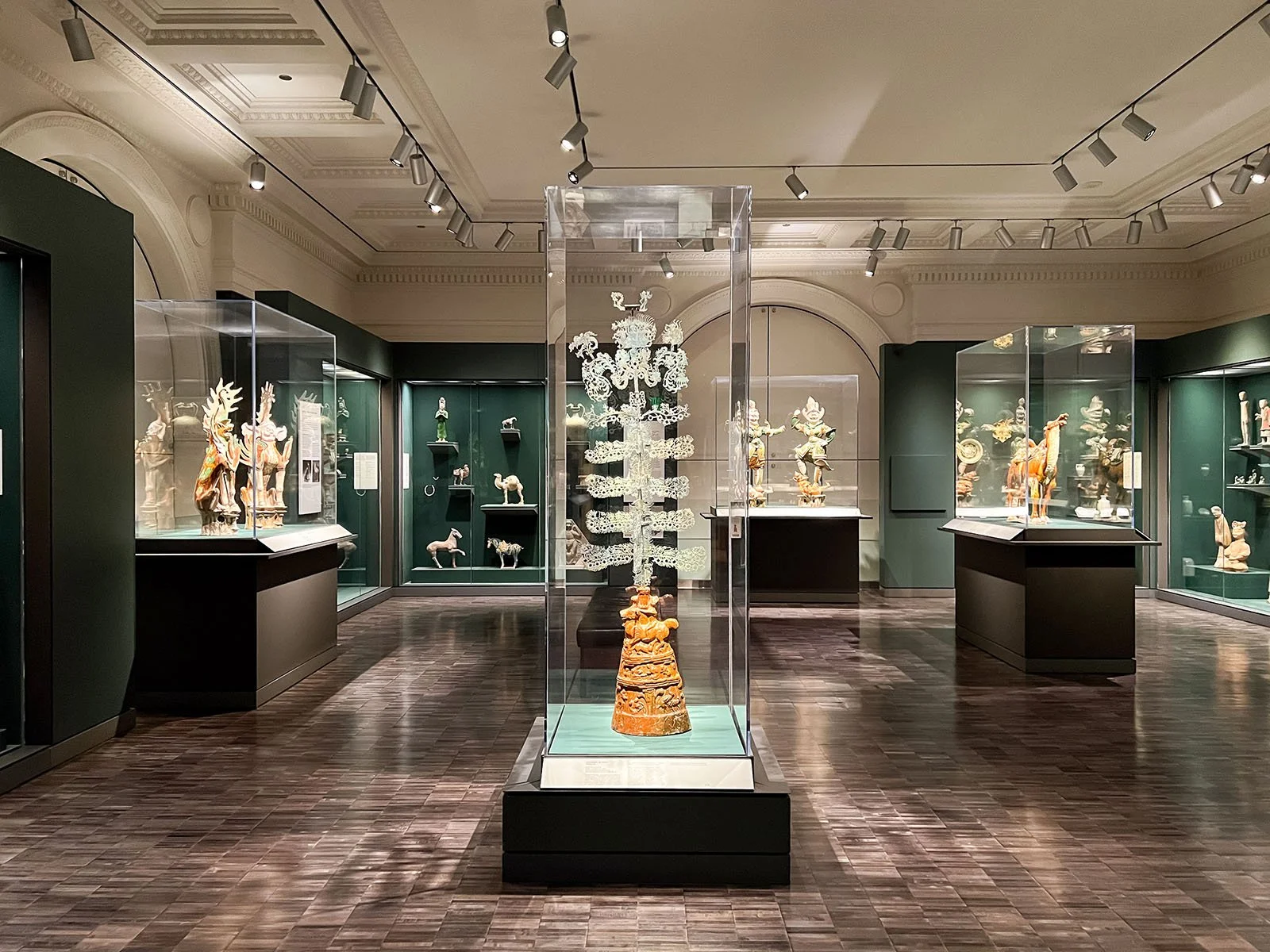
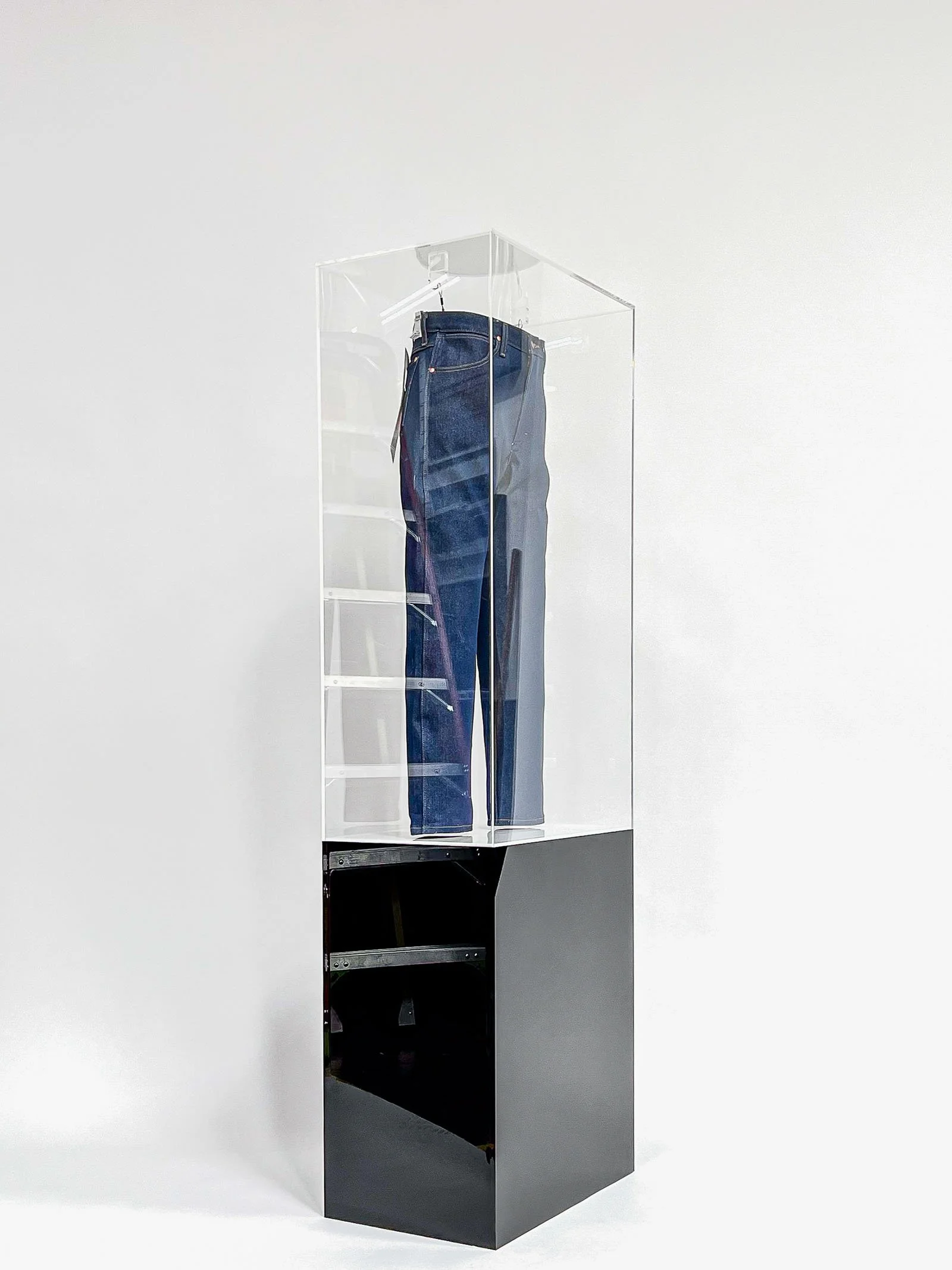
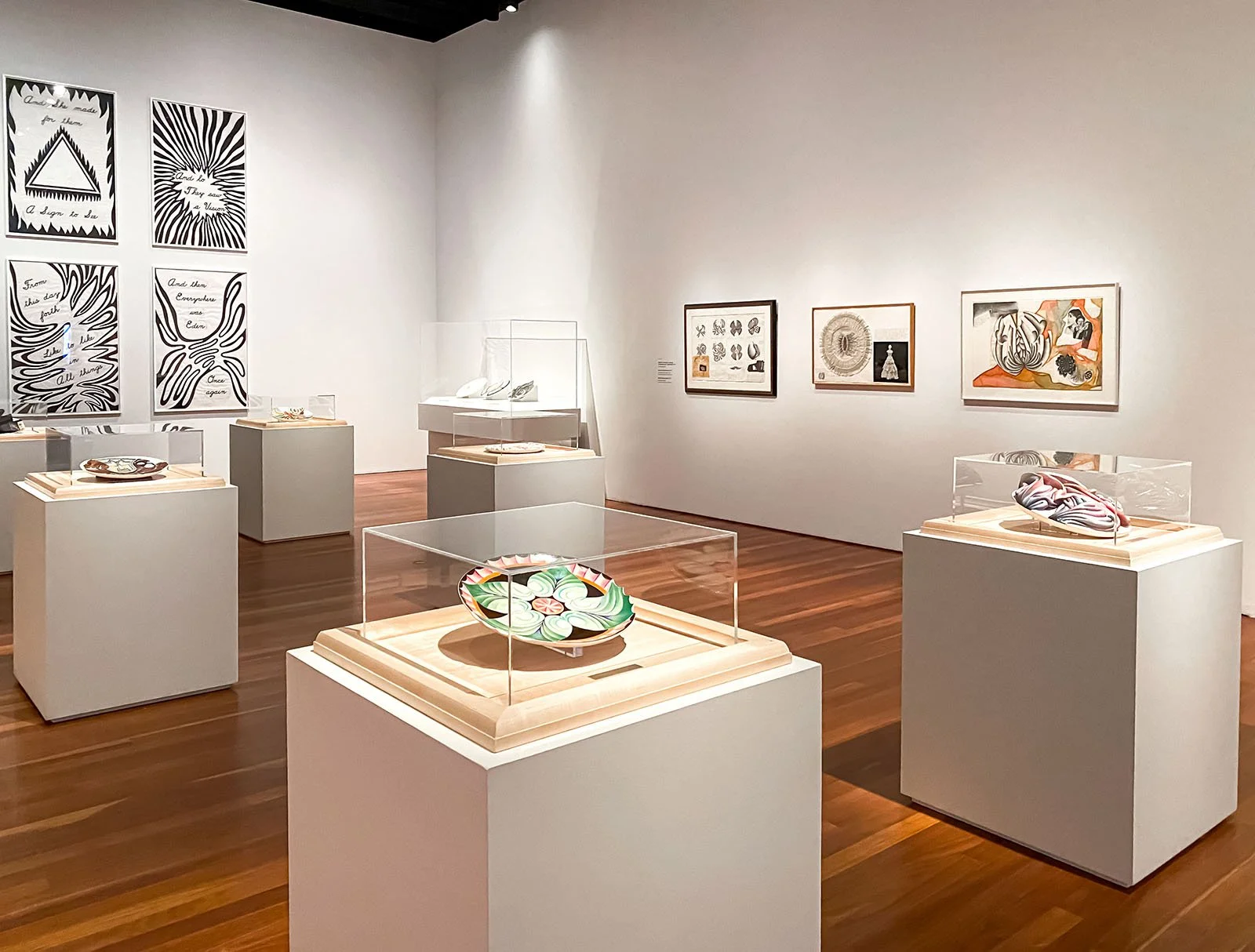
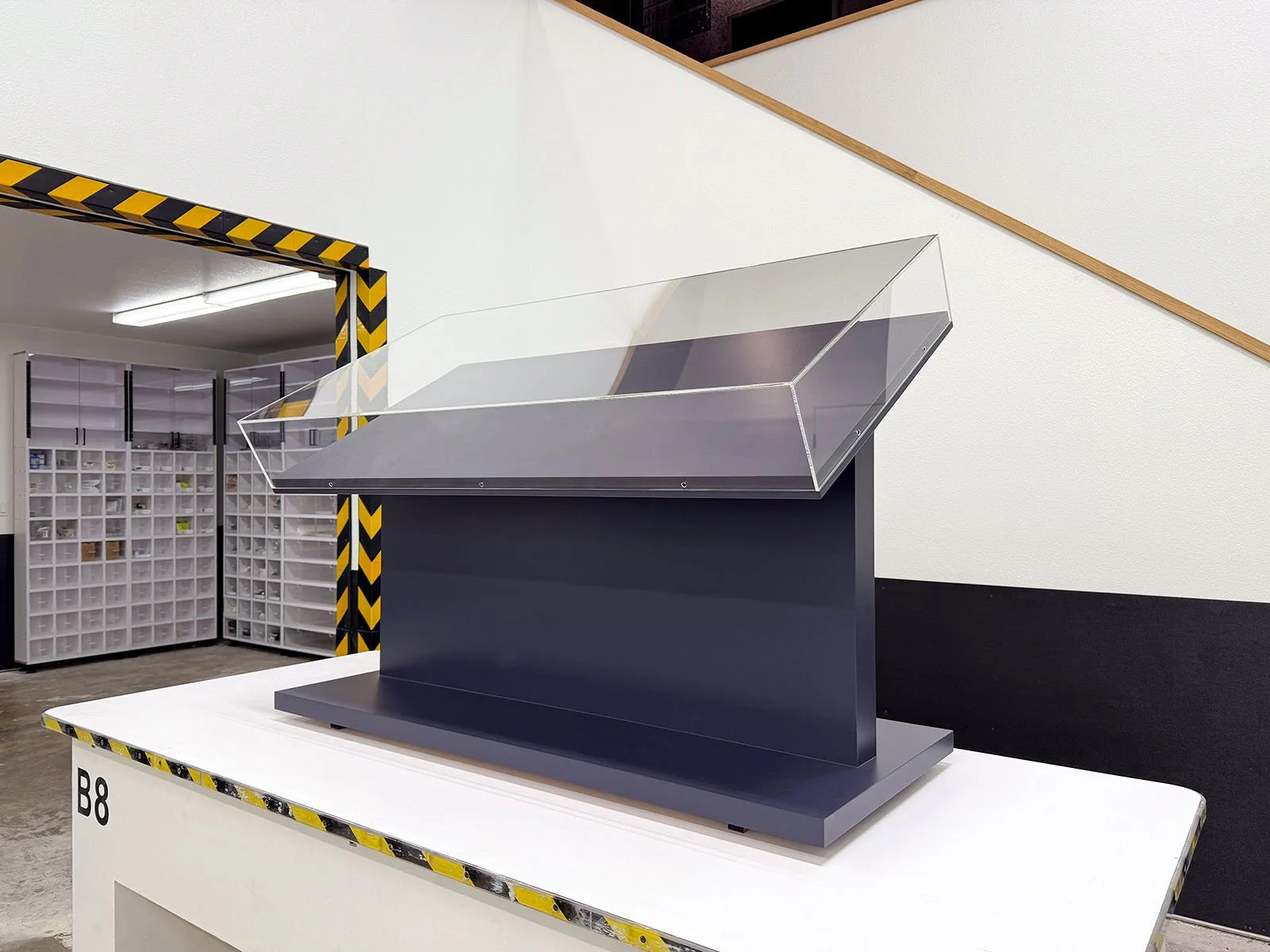
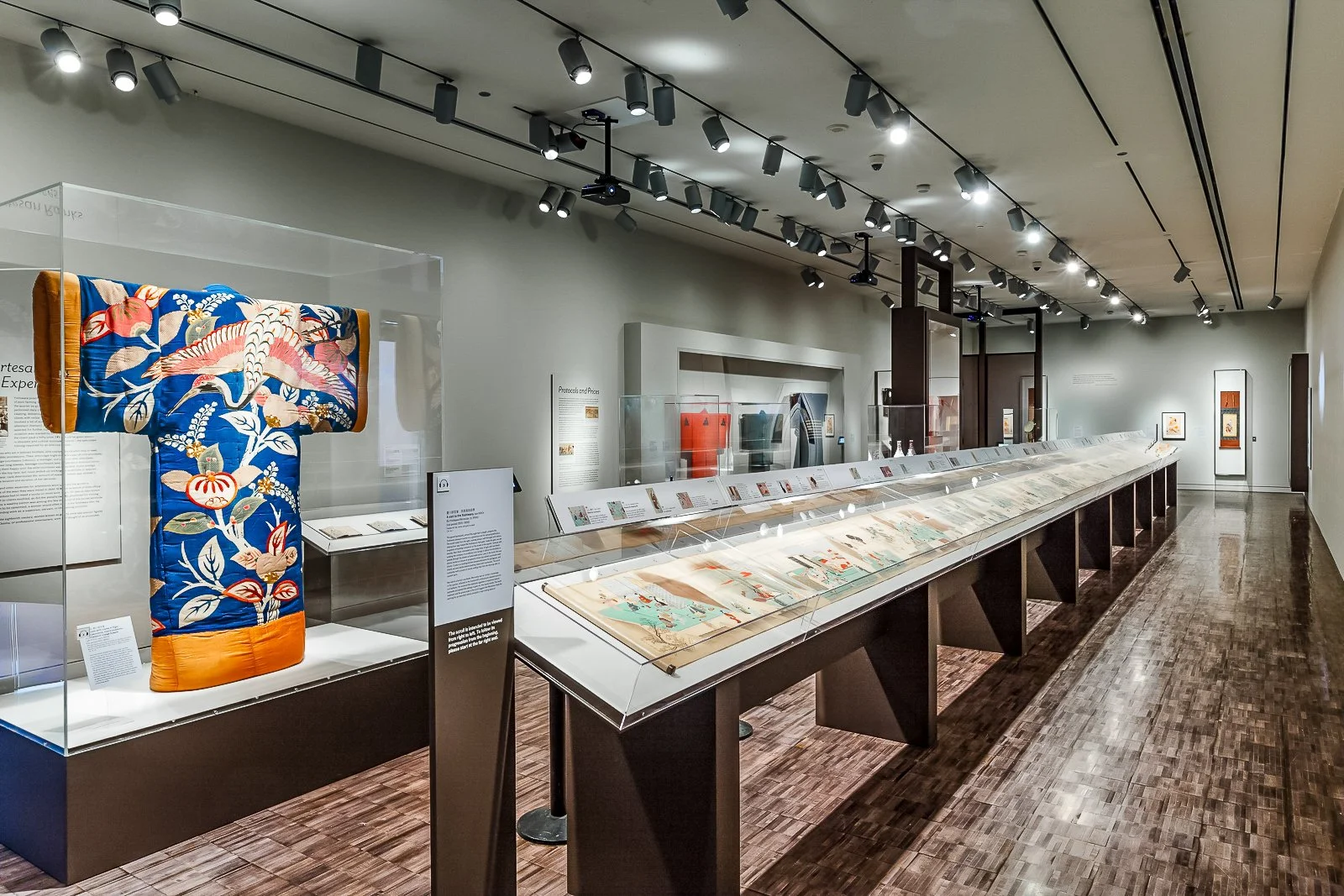
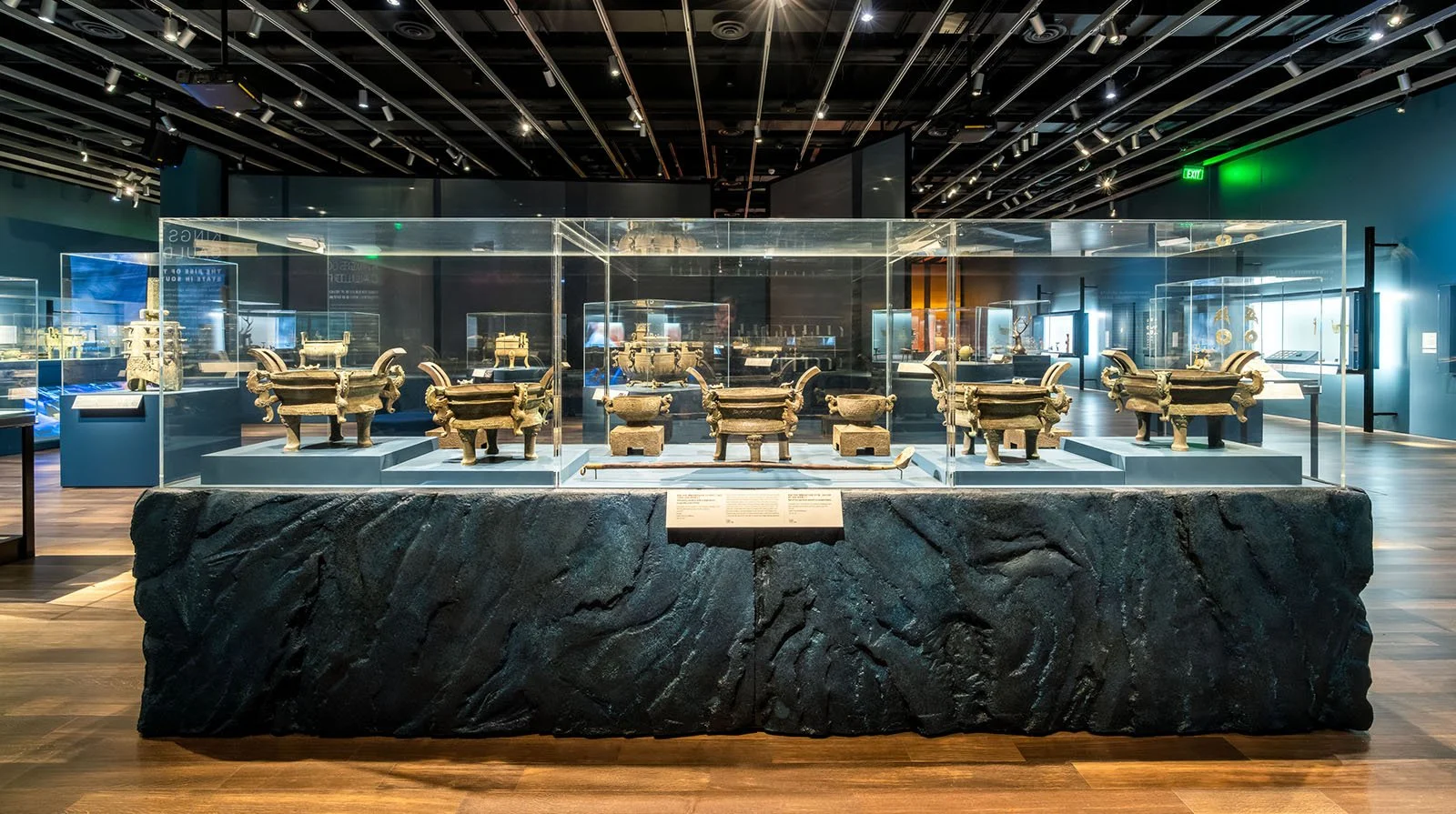
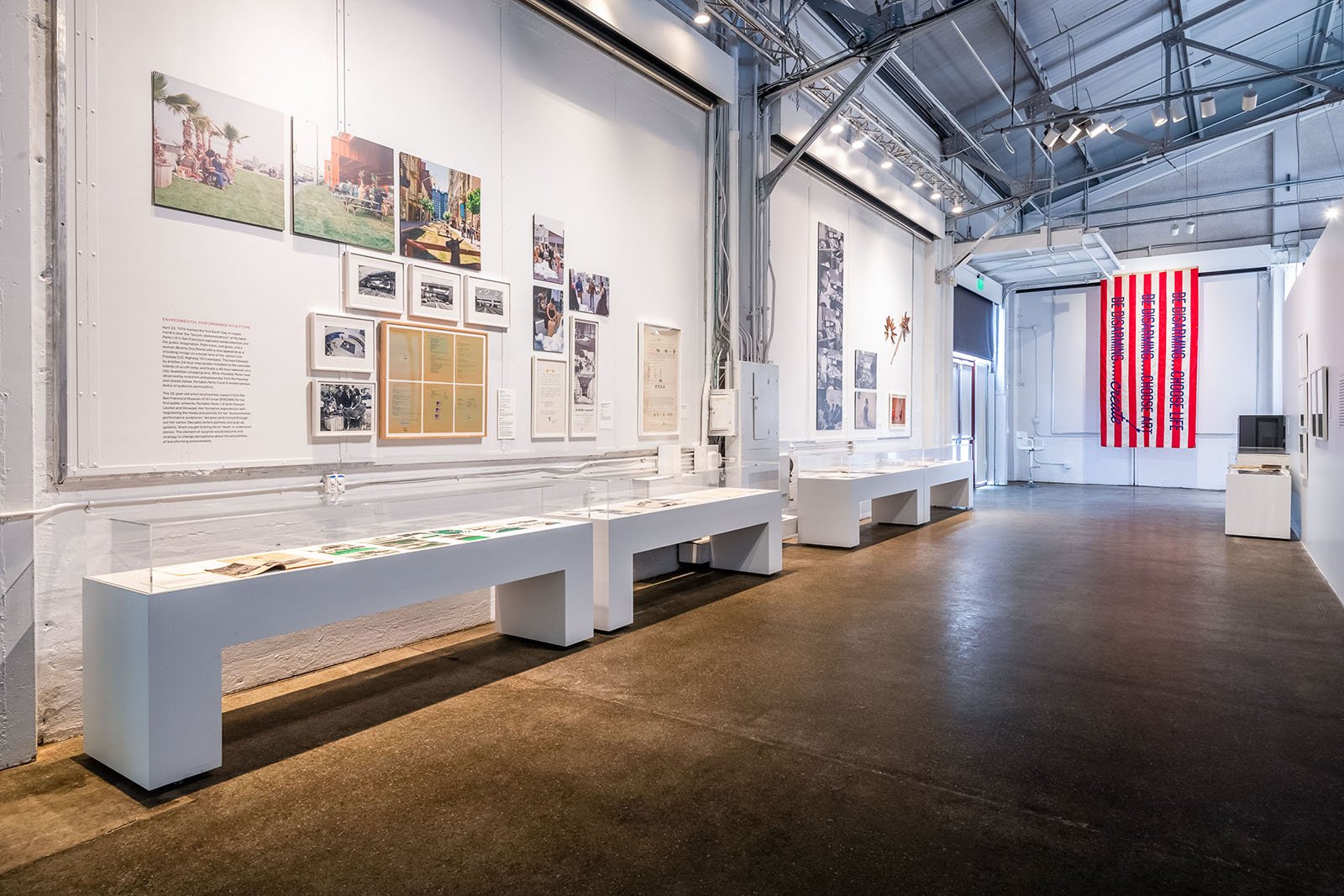
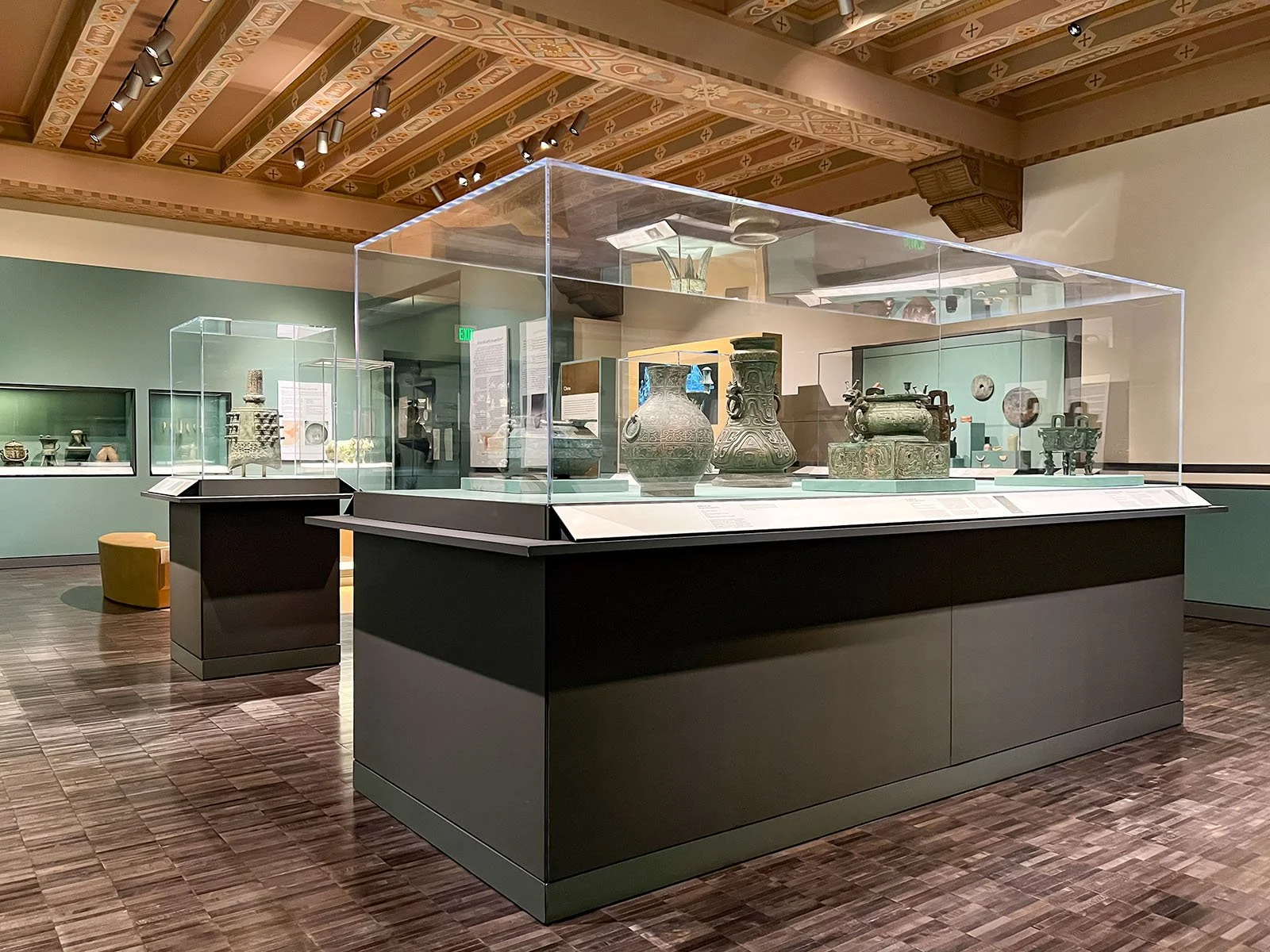
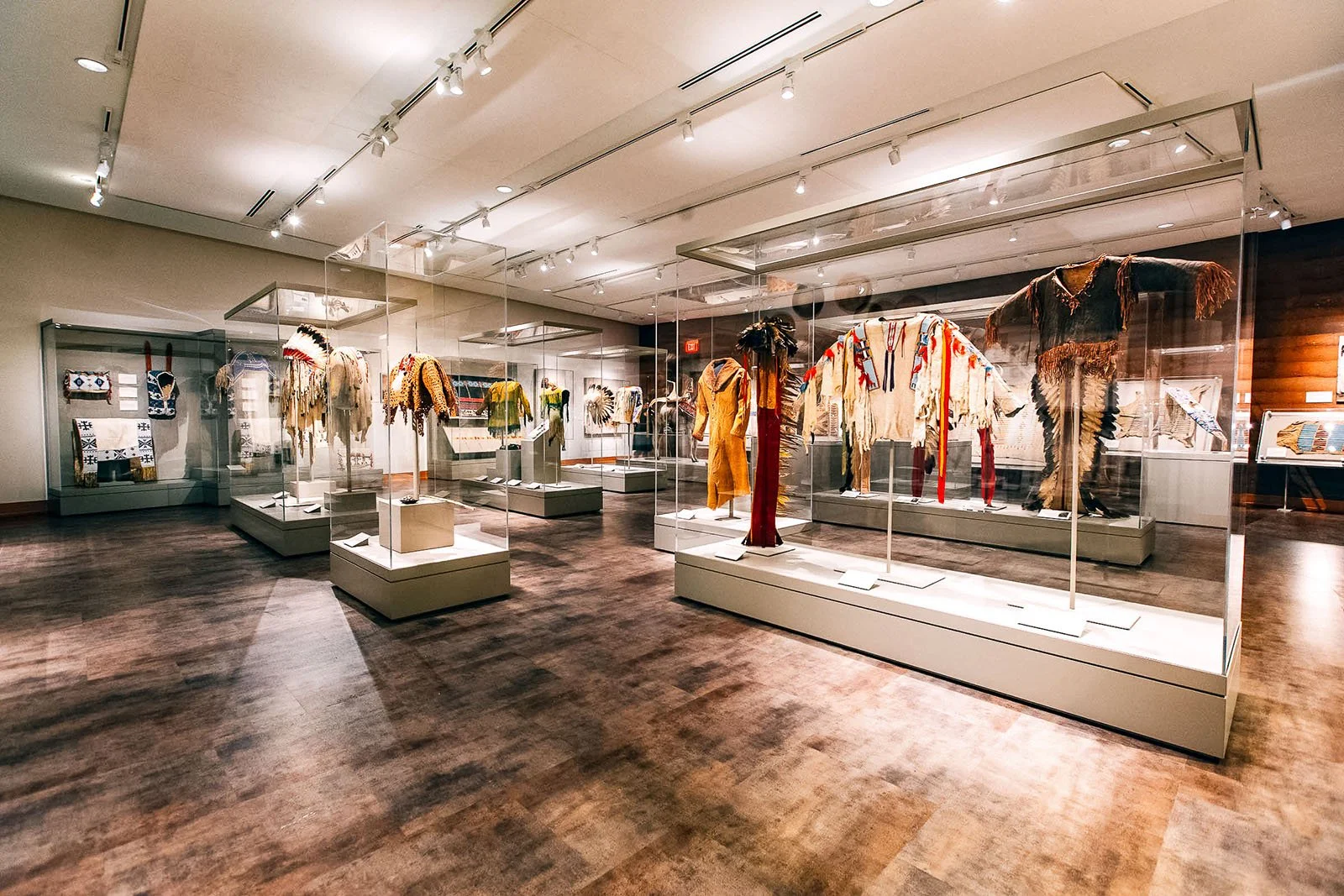
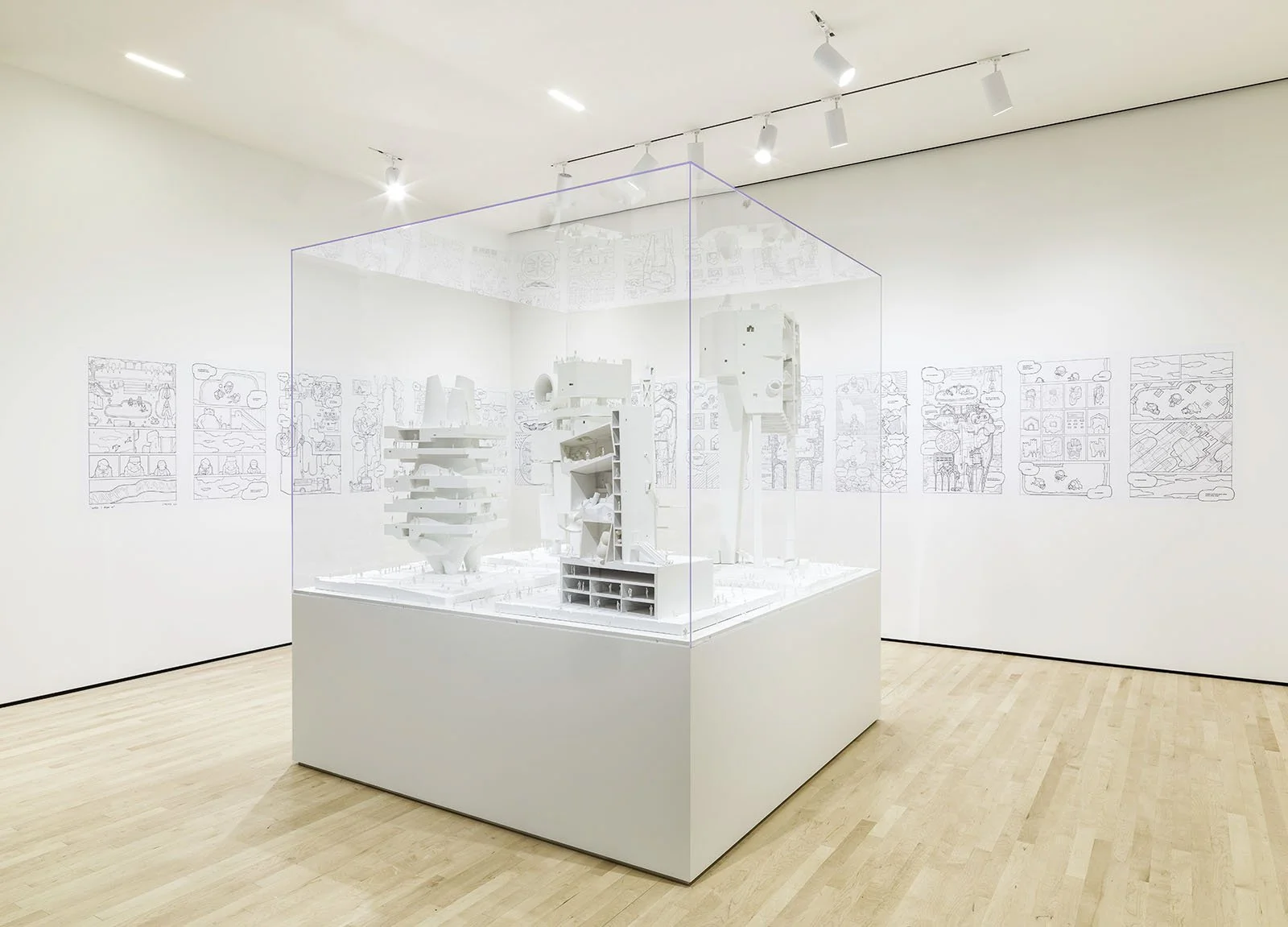
Architectural Plastics designs and fabricates integrated display systems: clear acrylic vitrines paired with matching pedestals built to present, protect, and elevate the object. These systems are used by museums, galleries, luxury retail, corporate environments, and private collectors when the presentation needs to feel intentional—and the build quality needs to hold up under close viewing.
A case without the right base looks unfinished. A pedestal without the right case feels incomplete. We build them as a matched system so proportions, finish, access, and stability all work together.
If you need a wall-mounted solution instead, see: wall mounted acrylic display cases.
SPECIFIER SNAPSHOT (FAST FACTS)
• Built as a matched vitrine + pedestal unit (or we can supply only the case or only the base if needed)
• Access options: lift-off (cleanest look) or hinged (controlled frequent access)
• Glazing options: standard acrylic, low-reflection, and UV-filtering acrylics (including Tru Vue Optium Museum Acrylic® when specified)
• Public-facing security: locks and tamper-resistant hardware options
• Dust-control strategies available when required (fit-up and gasketing approach depends on access style)
• Humidity-control planning available for sensitive objects (silica gel strategy + service access planning)
• Finish options for bases: paint, veneer, laminate, solid surface, and other specified finishes
• Shipping-ready builds: packaging/crating planned to protect acrylic and pedestal finishes in transit
WHAT WE BUILD
• Acrylic vitrines paired with matching pedestals (designed as one system)
• Lift-off vitrines for clean lines and simple servicing
• Hinged-access vitrines for frequent access or controlled opening
• Locking solutions for public-facing environments
• Tight fit-up and dust-control strategies when required
• Premium glazing options when specified (including low-reflection and UV-filtering acrylics)
• Installation-ready pedestals with integrated access and service planning
• Silica gel integration and humidity-control planning for sensitive objects when required (especially textiles and mixed-media work)
COMMON APPLICATIONS
• Museum and gallery object displays
• Traveling exhibits and special exhibitions
• Luxury retail product presentation
• Corporate environments and lobby displays
• Private collections (residential and commercial)
SYSTEM BREAKDOWN
Museum-grade display systems come down to four parts. If these are planned correctly, the entire unit reads premium and behaves predictably in the real world.
1. THE VITRINE (ACRYLIC CASE)
The vitrine is designed around sightlines, seam clarity, and how close viewers will be. We plan the case so the enclosure visually disappears while still providing protection and clean access.
Common vitrine options:
• Clear acrylic vitrines with premium edge finishing
• Seamed construction for oversized cases when single-sheet glazing isn’t feasible
• Low-reflection or UV-filtering glazing when conservation requirements are specified
• Hardware selection appropriate to the environment (discreet, durable, serviceable)
2. THE DECK (OBJECT SURFACE + MOUNTING STRATEGY)
The deck is where the display either looks “museum” or looks improvised. We plan the deck around the object, the mounting approach, and service access.
Common deck options:
• Flat decks, stepped risers, or concealed platforms
• Mounting provisions for artifacts, garments, or sculptural pieces
• Removable panels for access to hardware or mounts when required
3. THE PEDESTAL (SCALE, STABILITY, AND PRESENCE)
Pedestals do more than hold weight. They establish scale, sightline height, and the overall presence of the display. We build bases that are visually quiet when they should be—and bold when the design calls for it.
Common pedestal options:
• Shadow reveals and floating base details
• Painted finishes, wood veneers, laminates, or solid-surface tops when specified
• Hidden access panels for service access when required
• Leveling provisions for imperfect floors and consistent reveal lines
• Ballast planning for stability in public environments
4. OPTIONS (SECURITY, DUST CONTROL, AND HUMIDITY STRATEGY)
High-end cases get judged from inches away, but they also need to function under real operating conditions. Options are selected based on environment, servicing frequency, and risk.
Common options include:
• Locks and tamper-resistant hardware for public-facing installations
• Gasketing or fit-up strategies for dust control when required
• Silica gel integration and humidity-control planning for sensitive objects, especially textiles and other moisture-sensitive artworks
• Service access planning so staff can safely change exhibits without damaging the enclosure or object
LIFT-OFF VS. HINGED ACCESS
Lift-off access is the cleanest look and is ideal for occasional servicing. Hinged access is better when the object needs frequent access or when staff want controlled opening without lifting. If you tell us how often the object needs to be accessed and who will service it, we’ll recommend the right approach.
HUMIDITY CONTROL FOR TEXTILES AND SENSITIVE ARTWORK
For textiles and other sensitive materials, humidity control matters. We can design cases with space and strategy for silica gel to help stabilize internal humidity and reduce risk during long display periods. If you have conservation requirements, tell us early so we can plan the right access and servicing method for humidity maintenance.
THE PROCESS (START TO FINISH)
1) You send reference photos, overall dimensions, and basic object information (size, weight, fragility, mounting needs).
2) We help define pedestal footprint, case size, access method, finish level, and any security, dust-control, or humidity requirements.
3) We fabricate the vitrine and pedestal as a matched unit with clean sightlines and predictable service access.
4) We package and crate appropriately for the size, finish level, and destination. (If needed, see Shipping & Deliveries for logistics support.)
WHAT TO SEND FOR A QUOTE
To quote a display case + pedestal system quickly, send:
• Overall target dimensions (or available footprint and maximum height)
• Object size and weight (and whether it needs a mount)
• Public-facing or private environment (security requirements)
• Access preference (lift-off or hinged)
• Finish direction for the pedestal (paint, veneer, laminate, solid surface)
• Humidity-control needs (especially for textiles and other sensitive artwork)
• Quantity, deadline, and ship-to city
• Any drawings, sketches, or reference images
FAQS
Do you design the pedestal and case as a matched set?
Yes. We design the vitrine and pedestal as a matched system so proportions, finish, access, and stability work together. If you only need a case or only need a pedestal, we can support that as well.
What’s better: lift-off or hinged access?
Lift-off looks cleaner and is ideal for occasional servicing. Hinged access is better for frequent access or controlled opening without lifting.
Can you add locks?
Yes. If the display is public-facing, tell us the environment and we’ll recommend an appropriate locking approach.
Can you integrate humidity control?
Yes. For textiles and other sensitive artworks, we can plan for silica gel integration and servicing strategy to help stabilize internal humidity.
Do you offer premium glazing options like low-reflection or UV-filtering acrylic?
Yes. If you have a conservation requirement or glazing preference, tell us up front and we’ll build the glazing package around it (including Tru Vue Optium Museum Acrylic® when specified).
Do you ship these systems?
Yes. We package and crate based on size, finish level, and destination to protect the acrylic and the pedestal finish during transit.
estination to protect the acrylic and the pedestal finish during transit.