
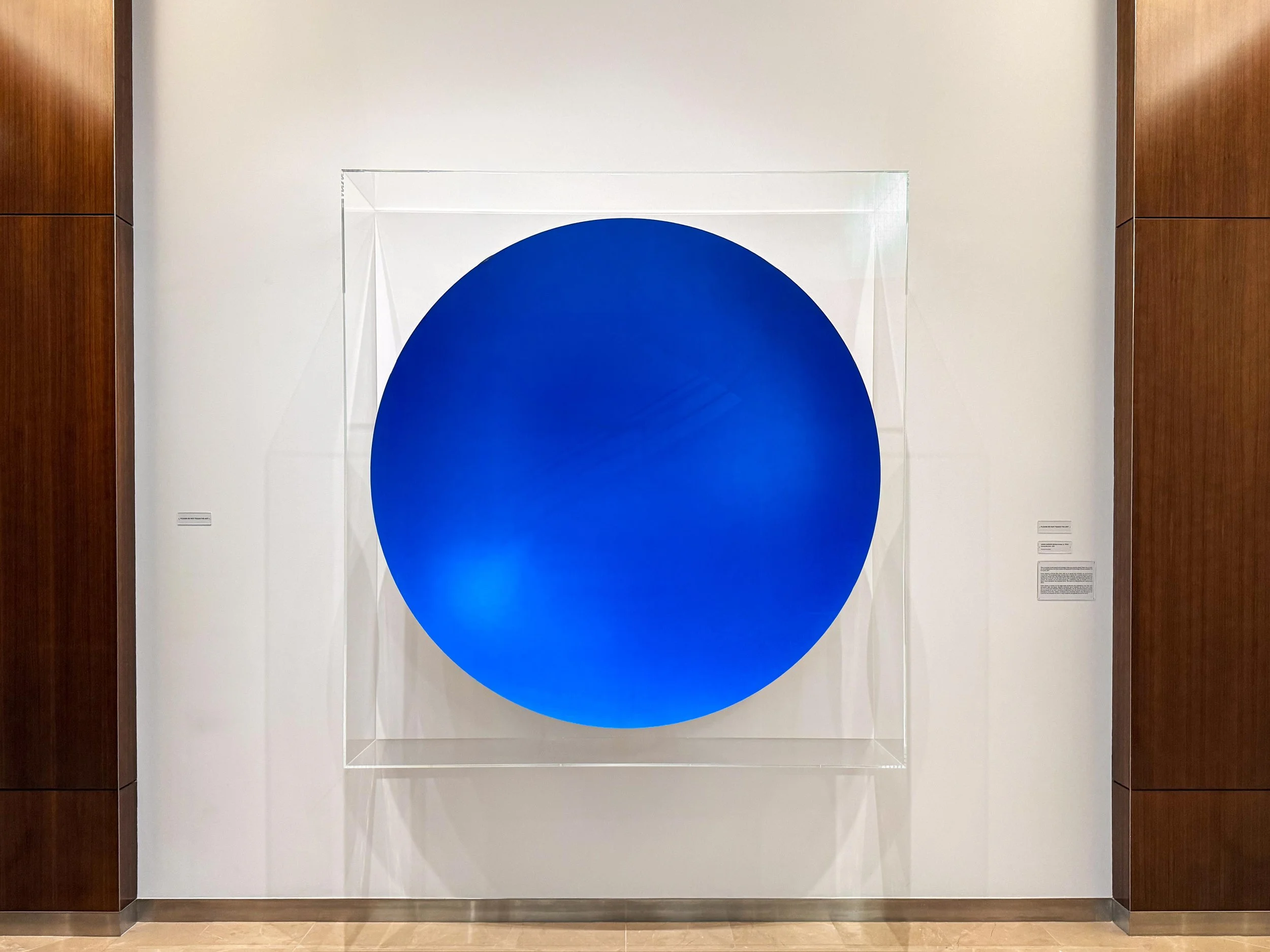
Optium museum acrylic wall case display with custom white painted backer for an Anish Kapoor art installation at the Dallas Cowboy's AT&T Stadium.
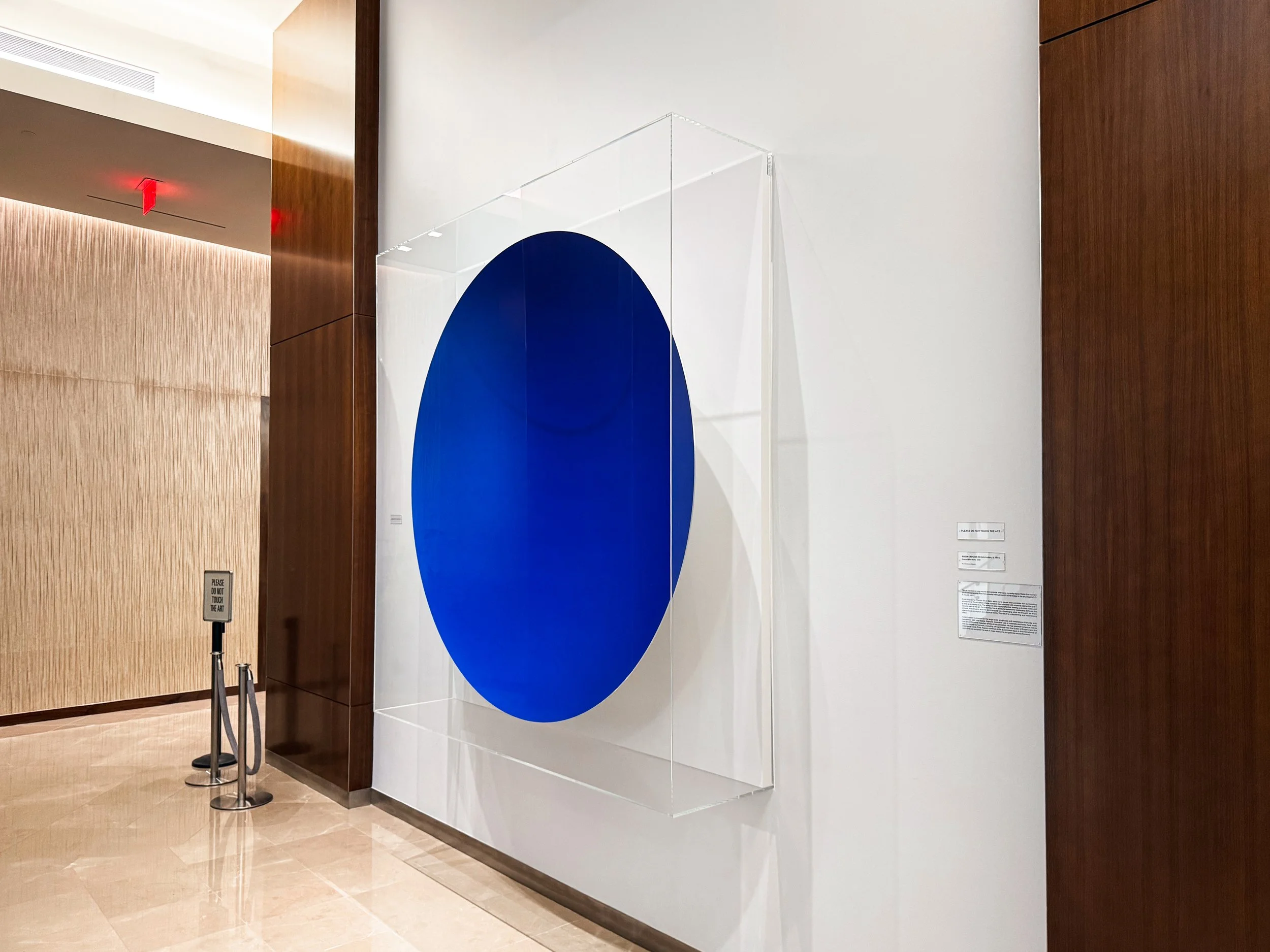
Side view of an Optium museum acrylic wall case display with custom white painted backer for an Anish Kapoor art installation at the Dallas Cowboy's AT&T Stadium.
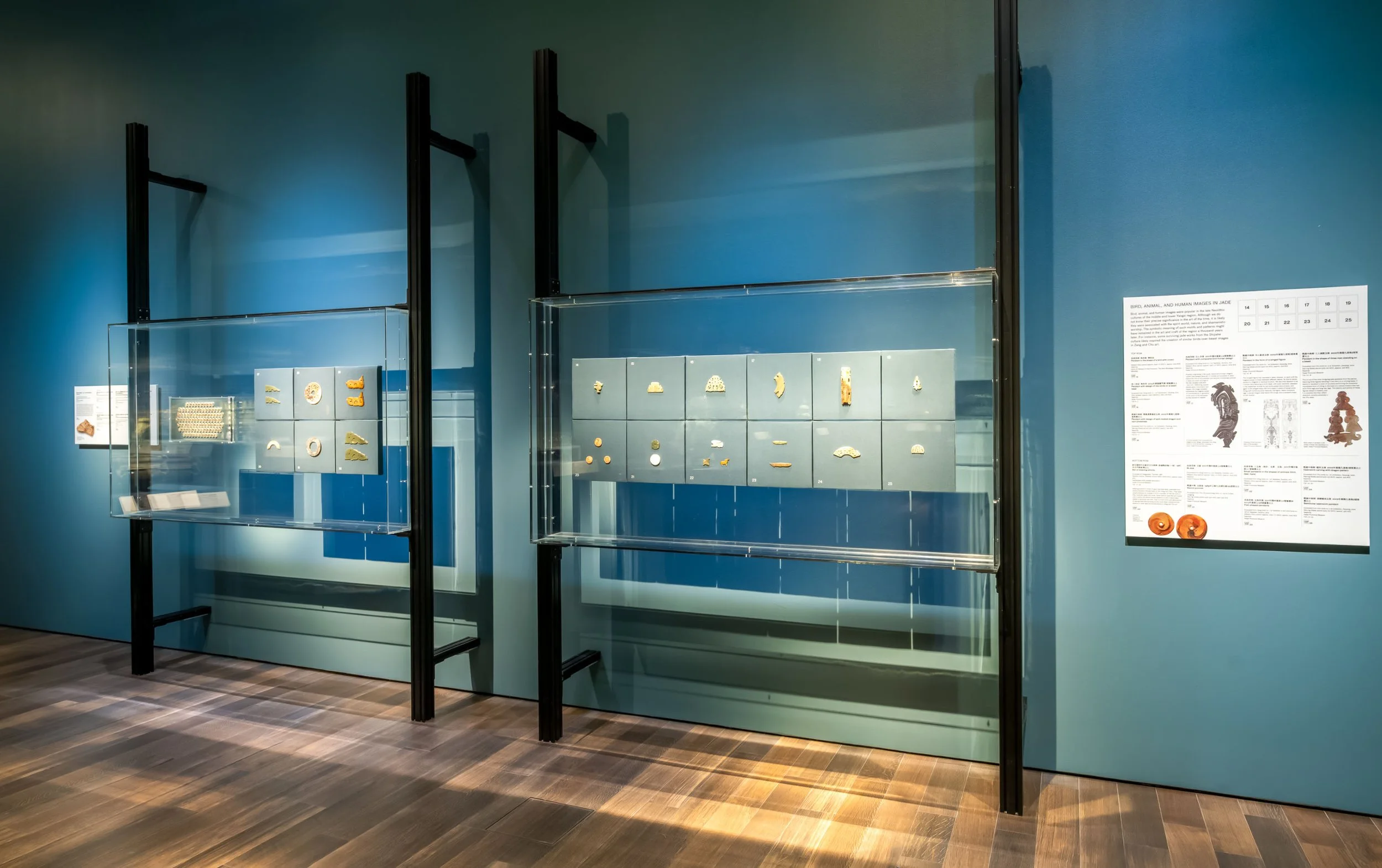
Long-format wall-mounted acrylic display cases installed on a museum wall for small artifact display with metal support structure.
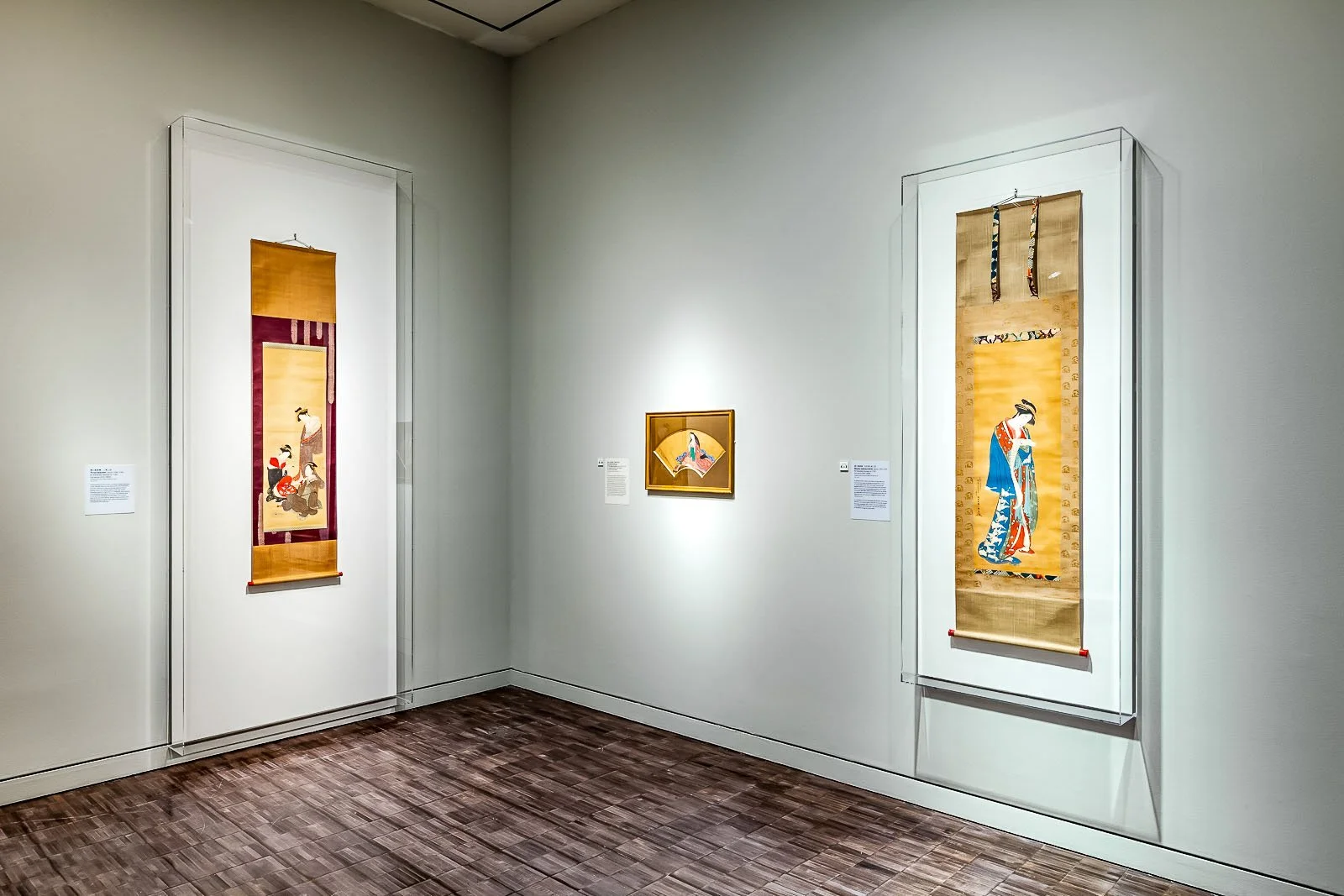
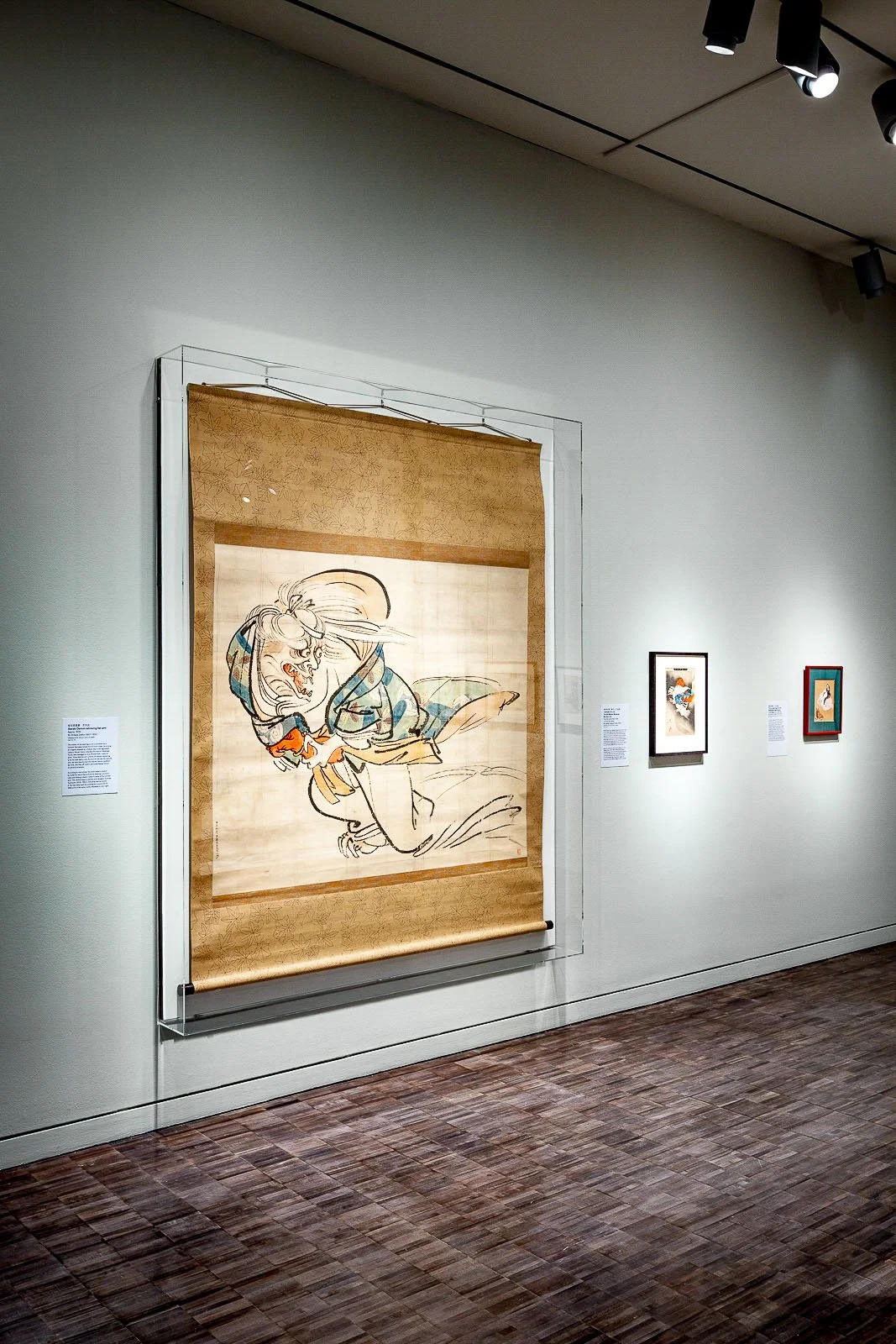
Museum gallery wall with two wall-mounted acrylic display cases protecting hanging scroll artwork.
Large wall-mounted acrylic display case protecting a hanging textile artwork in a museum gallery.
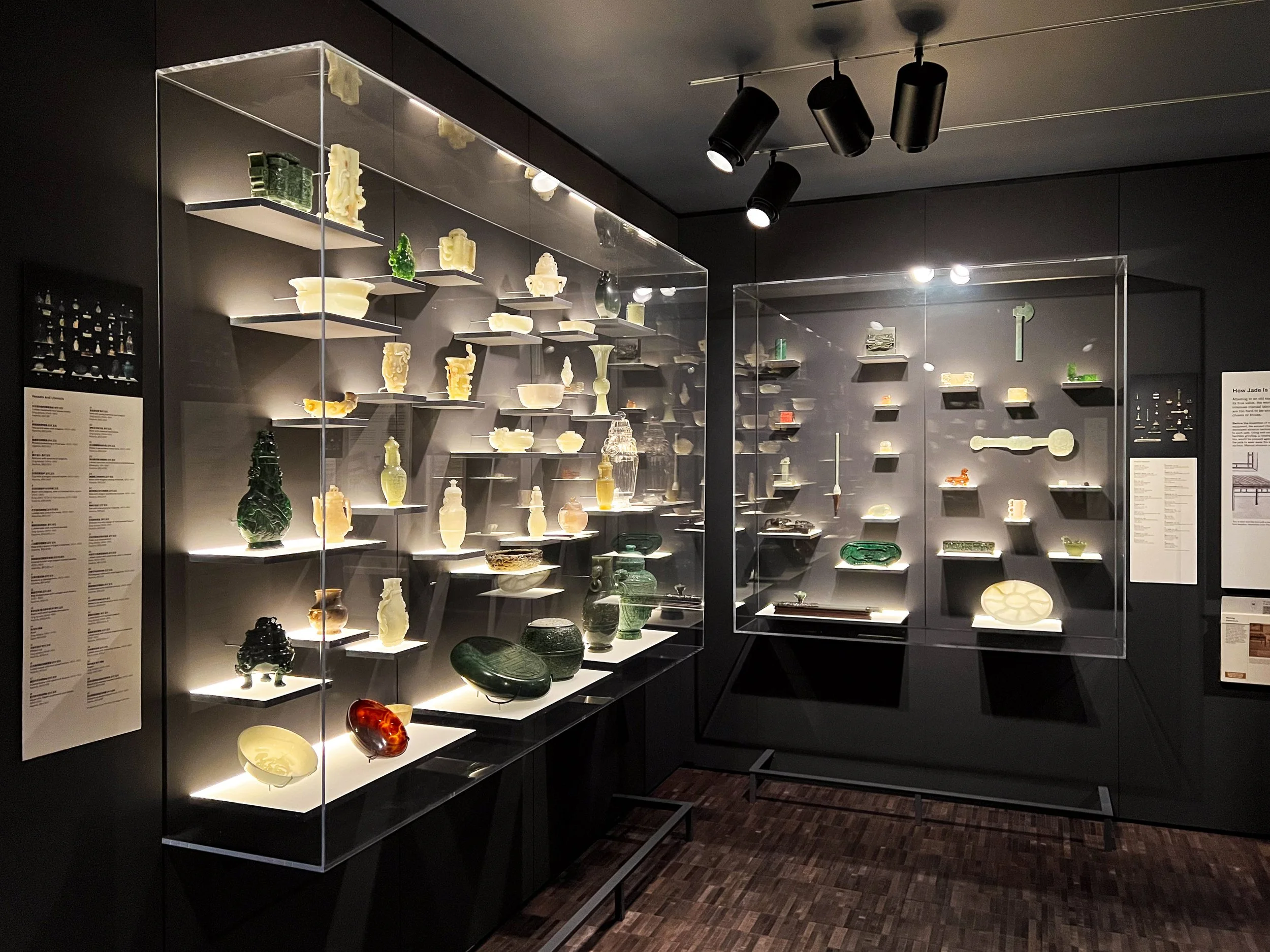
Museum gallery with wall-mounted acrylic display cases showcasing artifacts in a secure wall case system with uplit shelves.
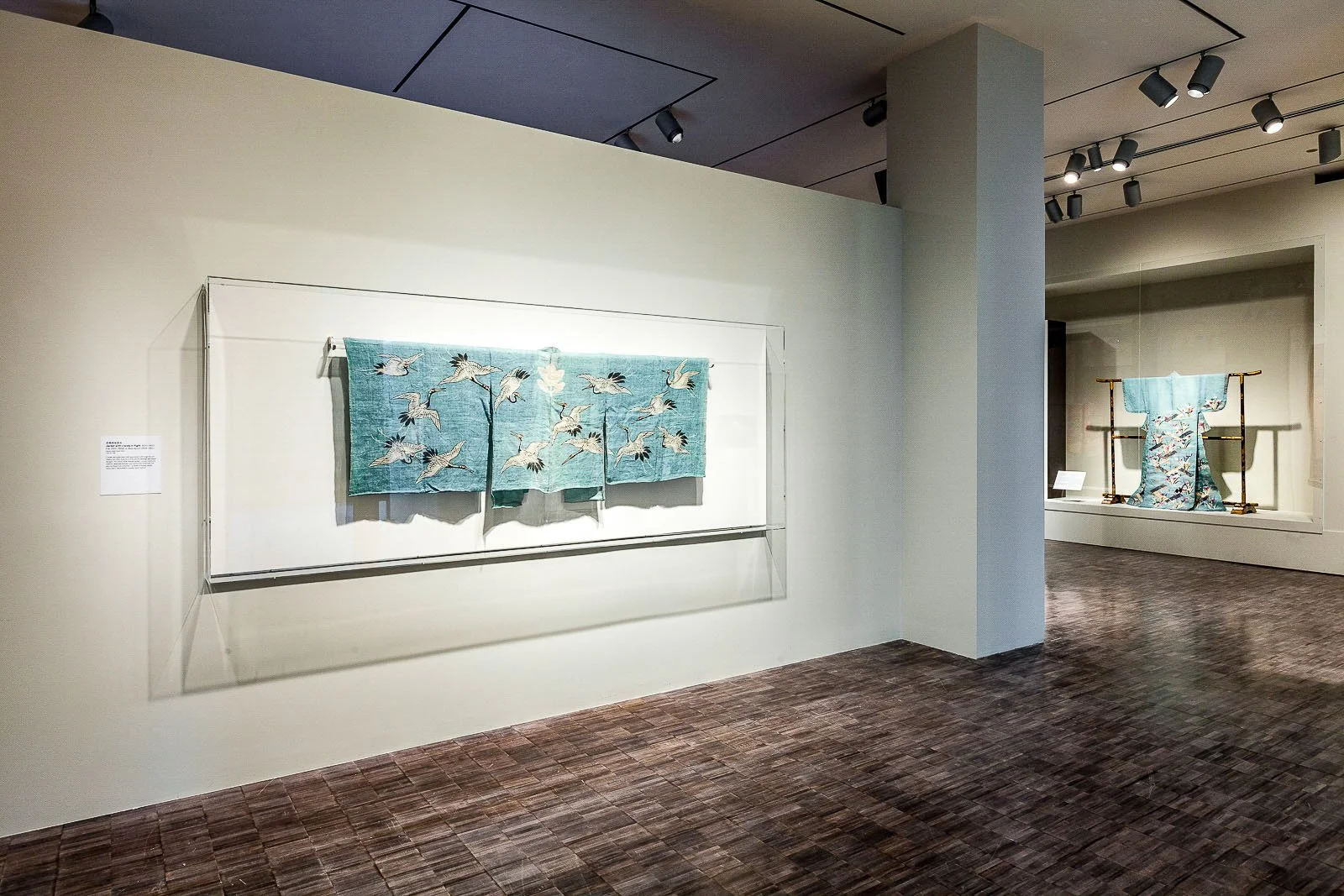
Horizontal wall-mounted acrylic vitrine displaying a textile piece in a museum exhibit.
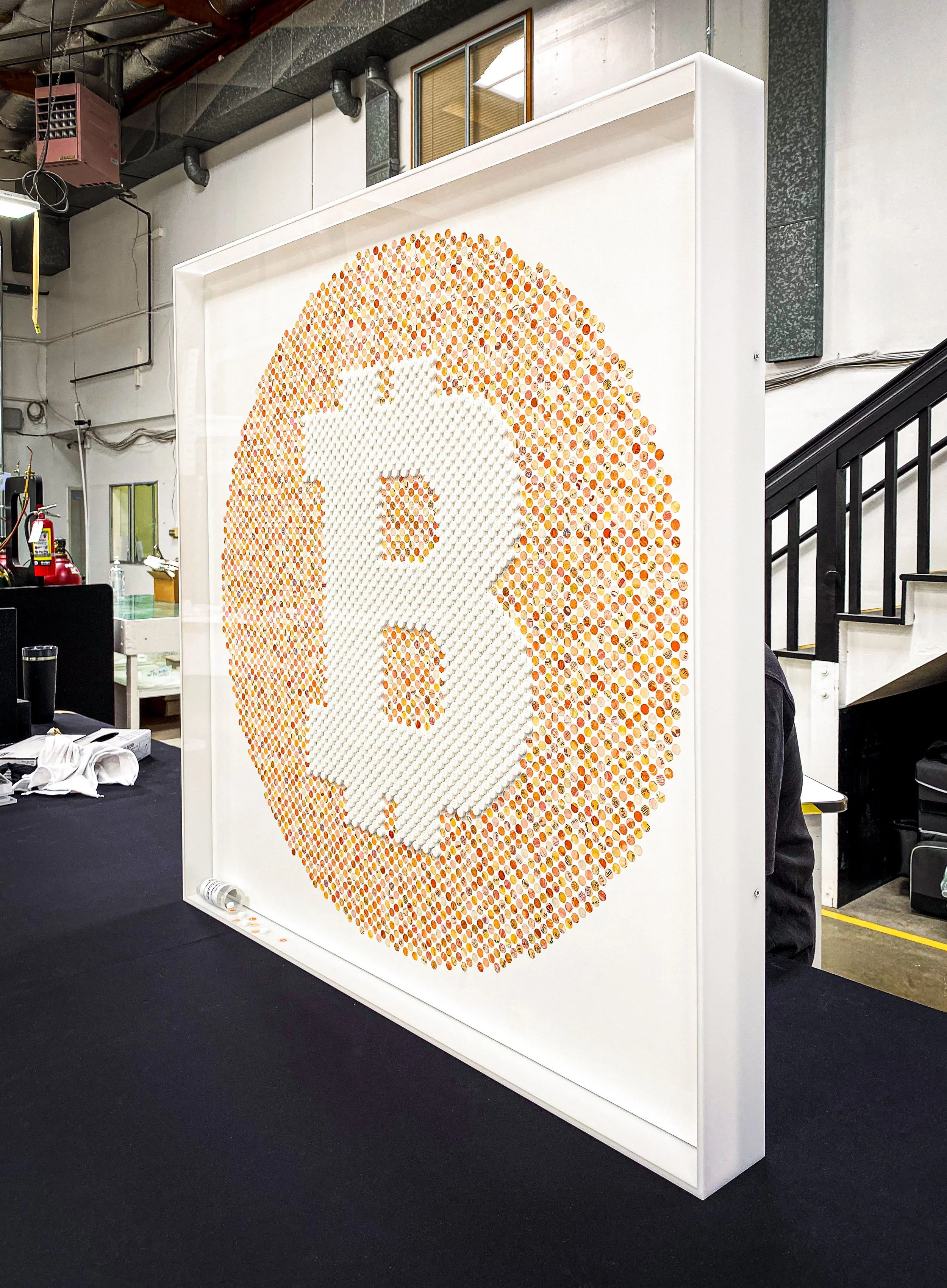
Modern Bitcoin artwork inside a clear acrylic wall mounted display case with matte while acrylic sides.
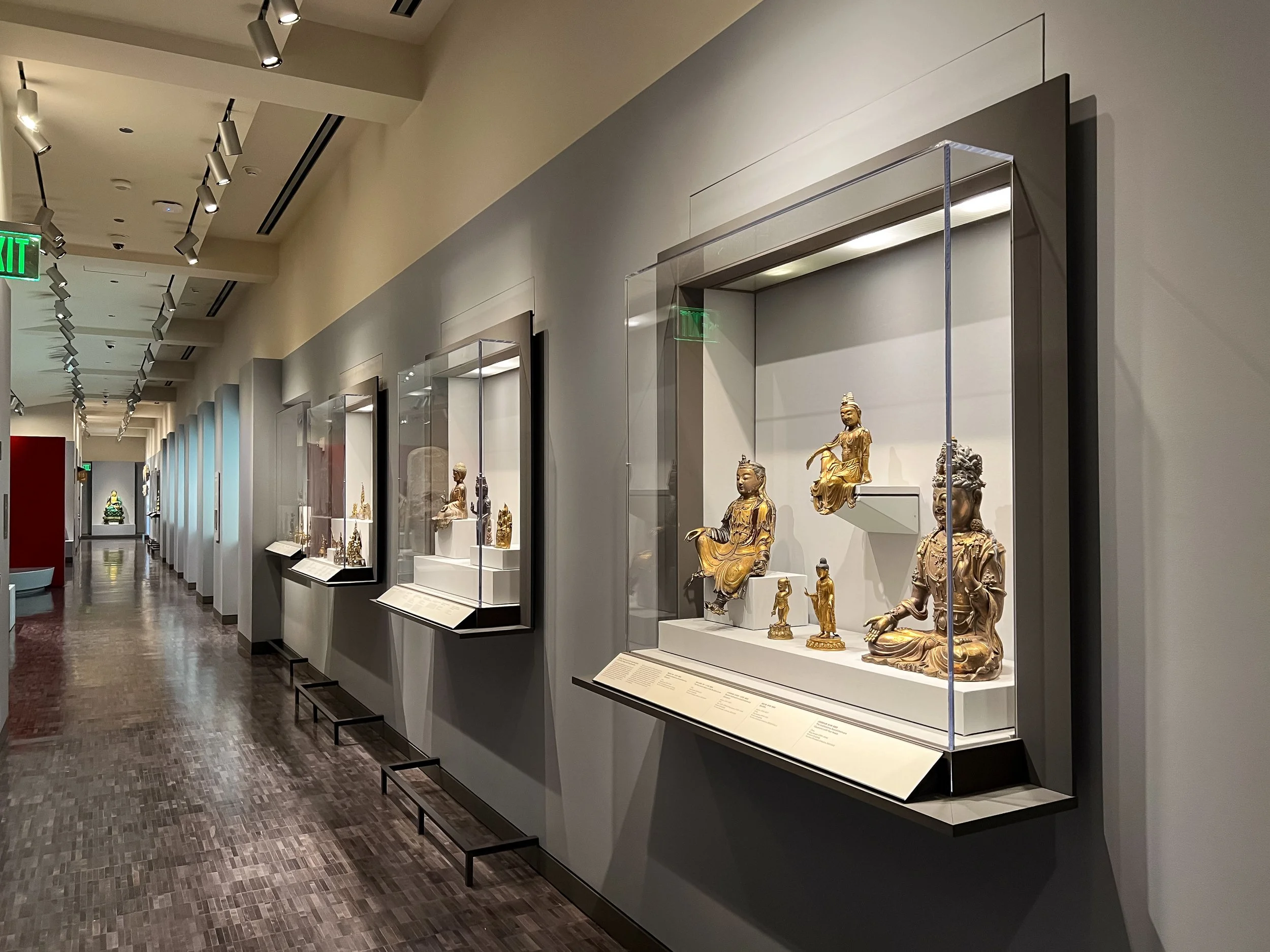
Corridor installation of wall-mounted acrylic vitrine cases displaying objects in a museum exhibit.
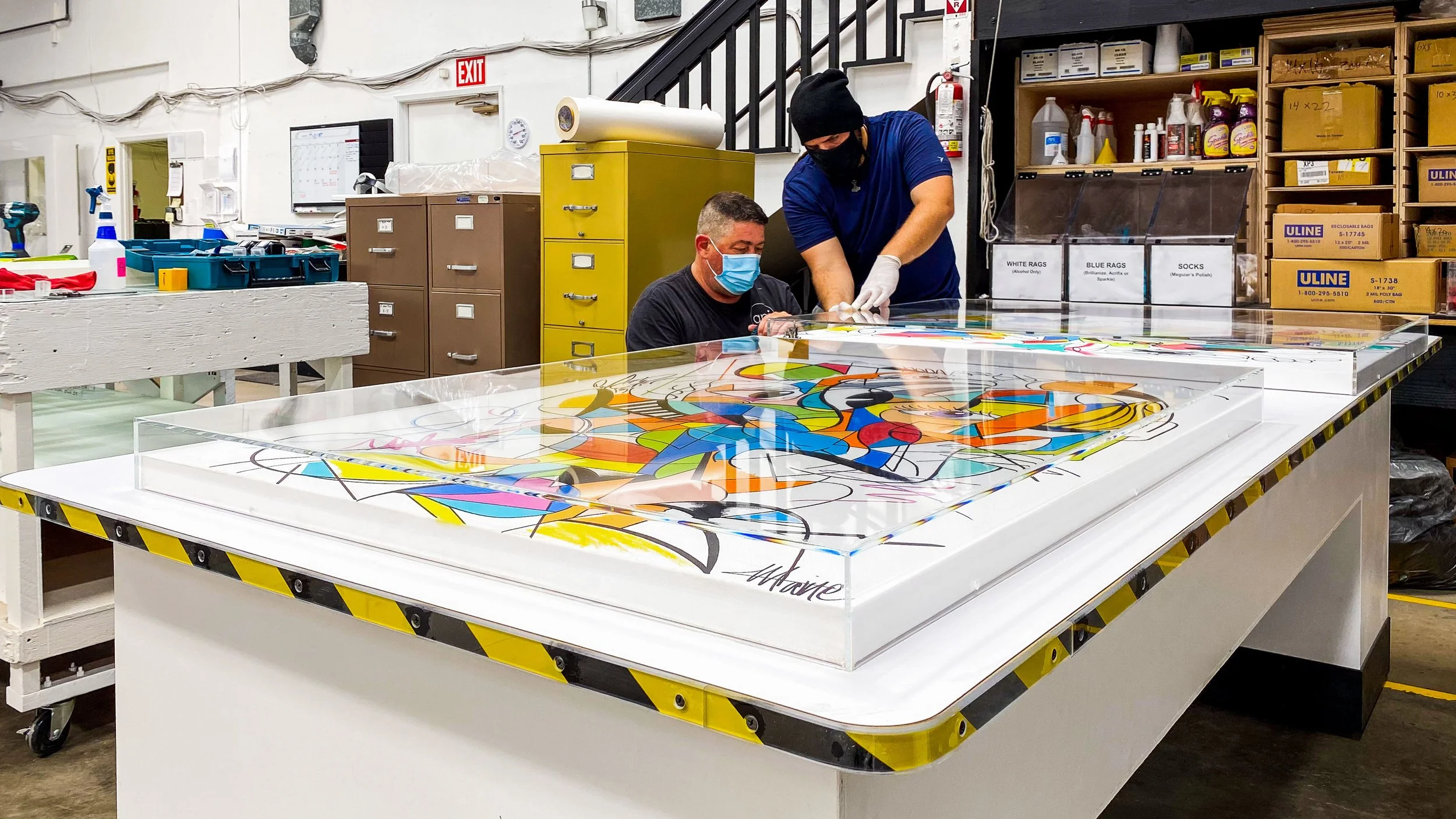
Modern artwork being installed into museum-grade acrylic wall-mounted display cases.
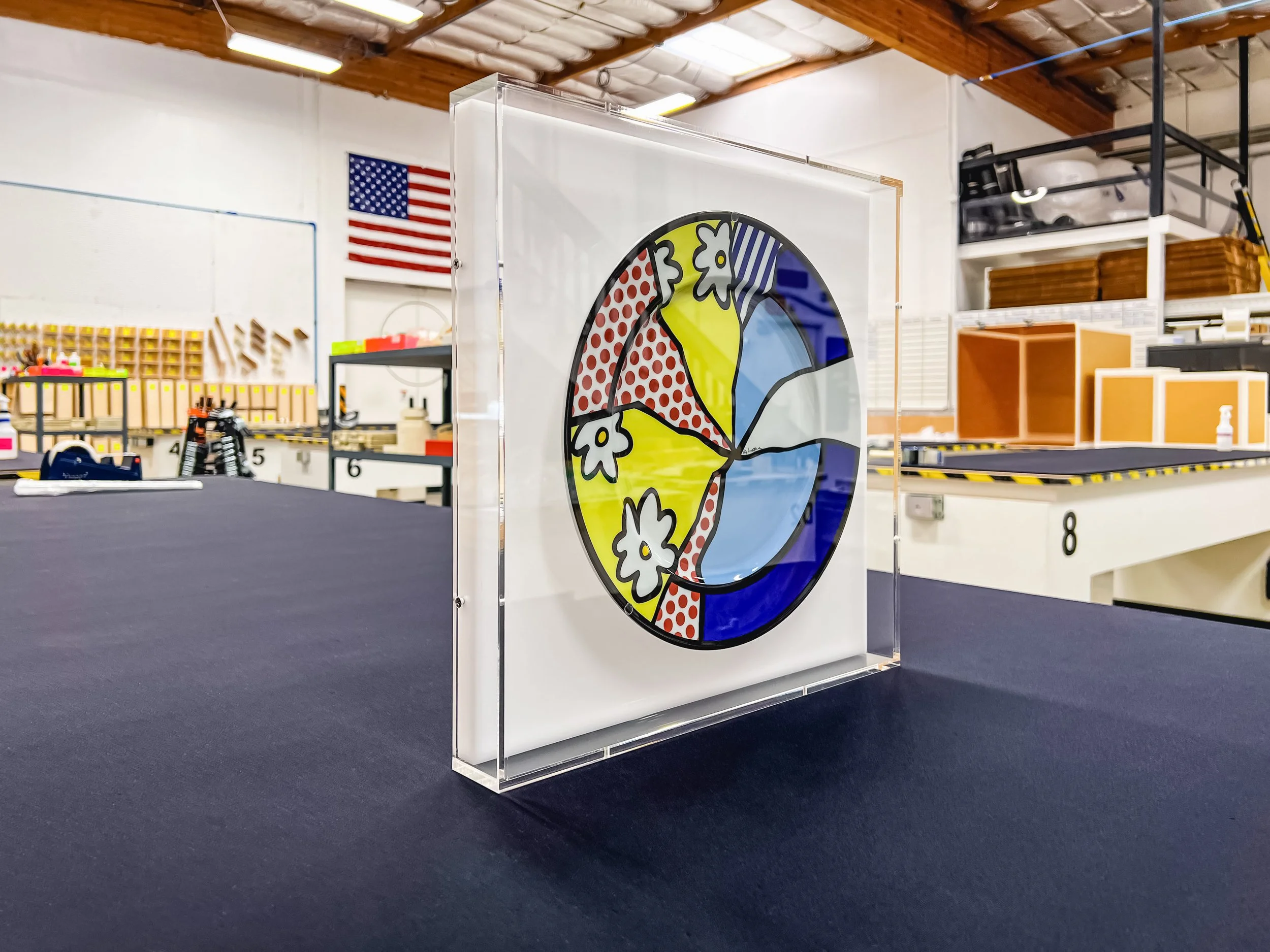
Quality control inspection of a clear acrylic wall-mounted display case protecting a framed Lichtenstein plate.
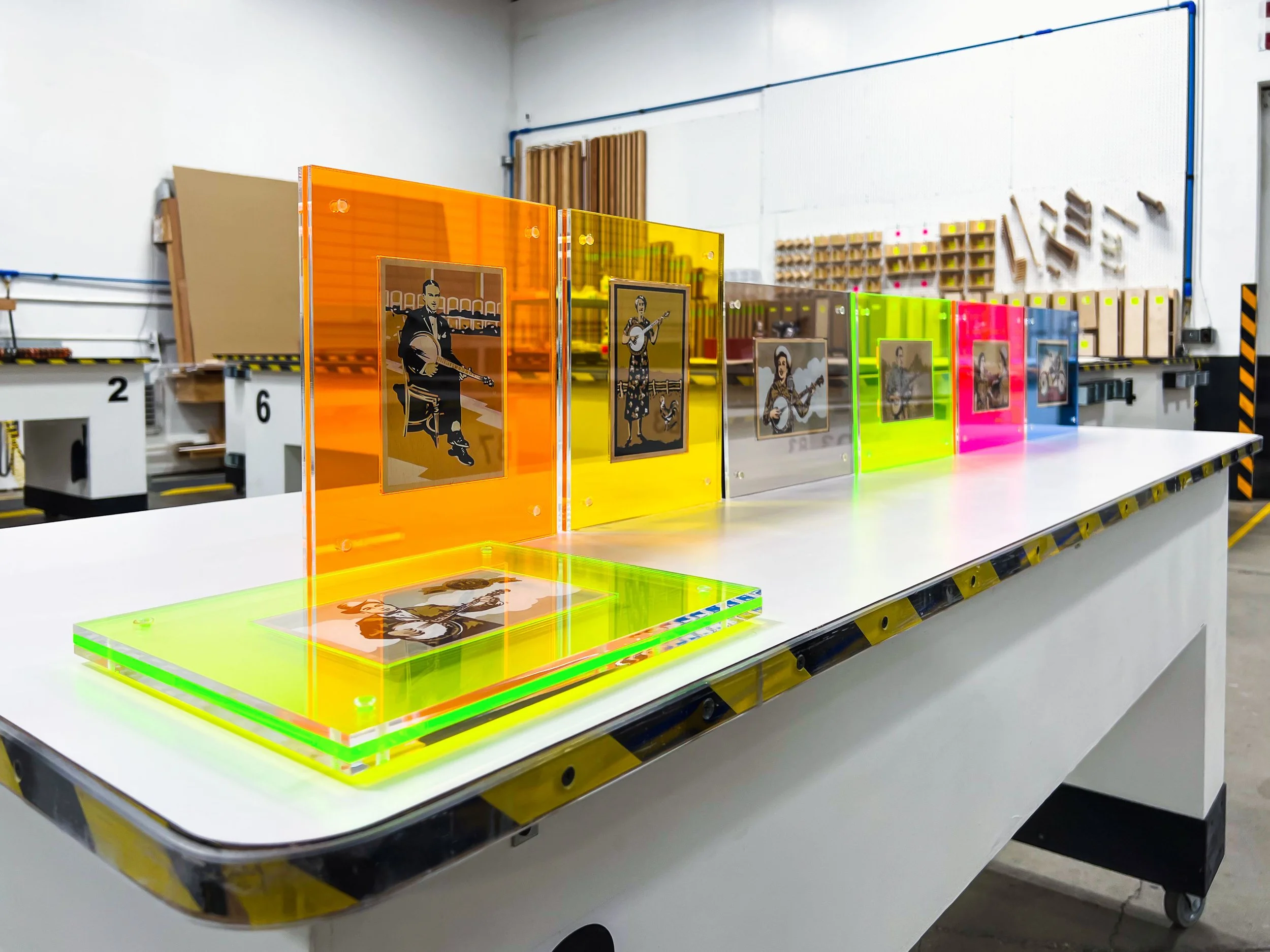
Wall mounted sandwich frames with clear and neon colored acrylic holding wooden post cards.
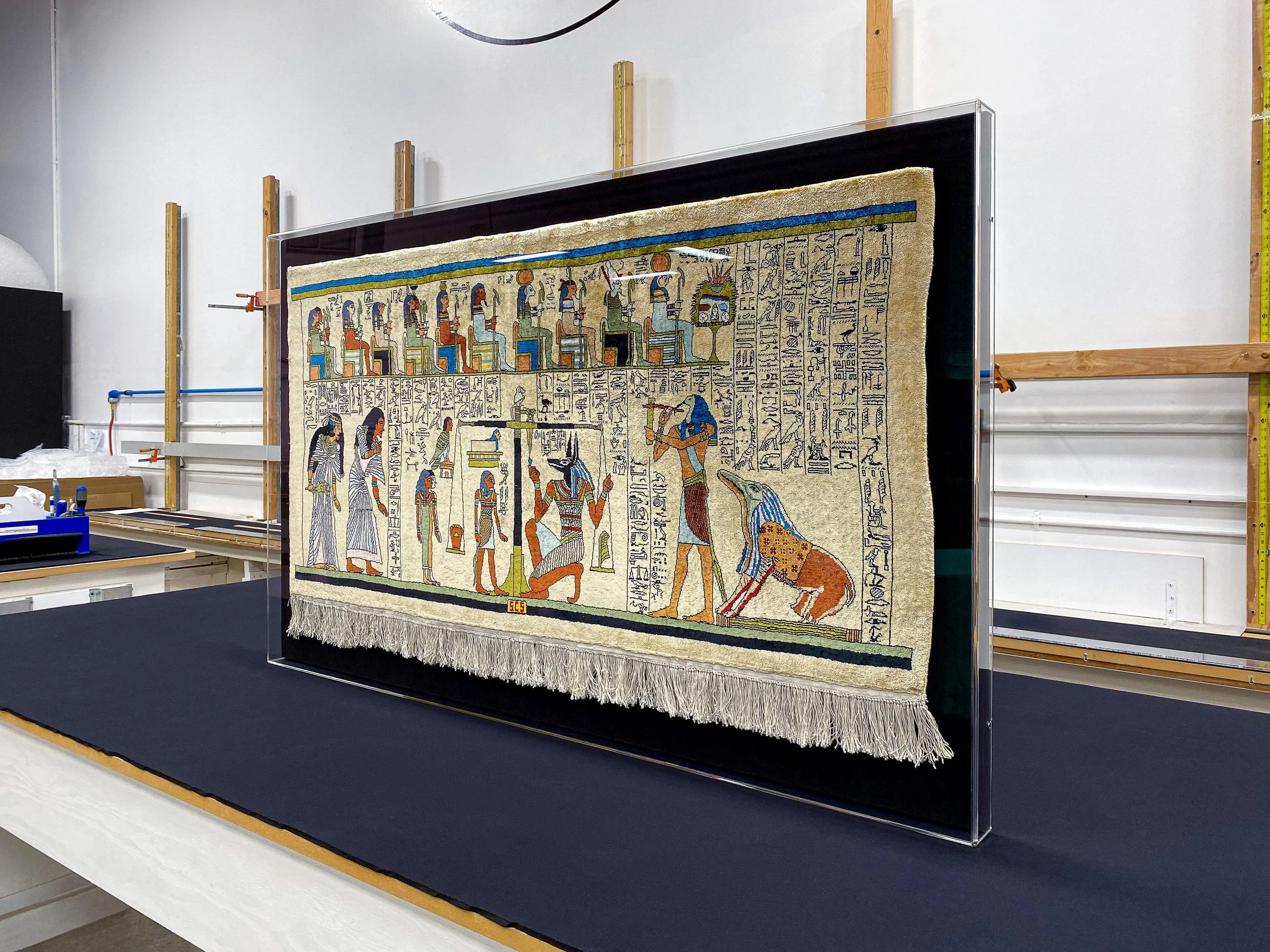
Large acrylic wall-mounted display case designed to protect and present a delicate vintage Egyptian rug mounted to a backer covered in black cloth.
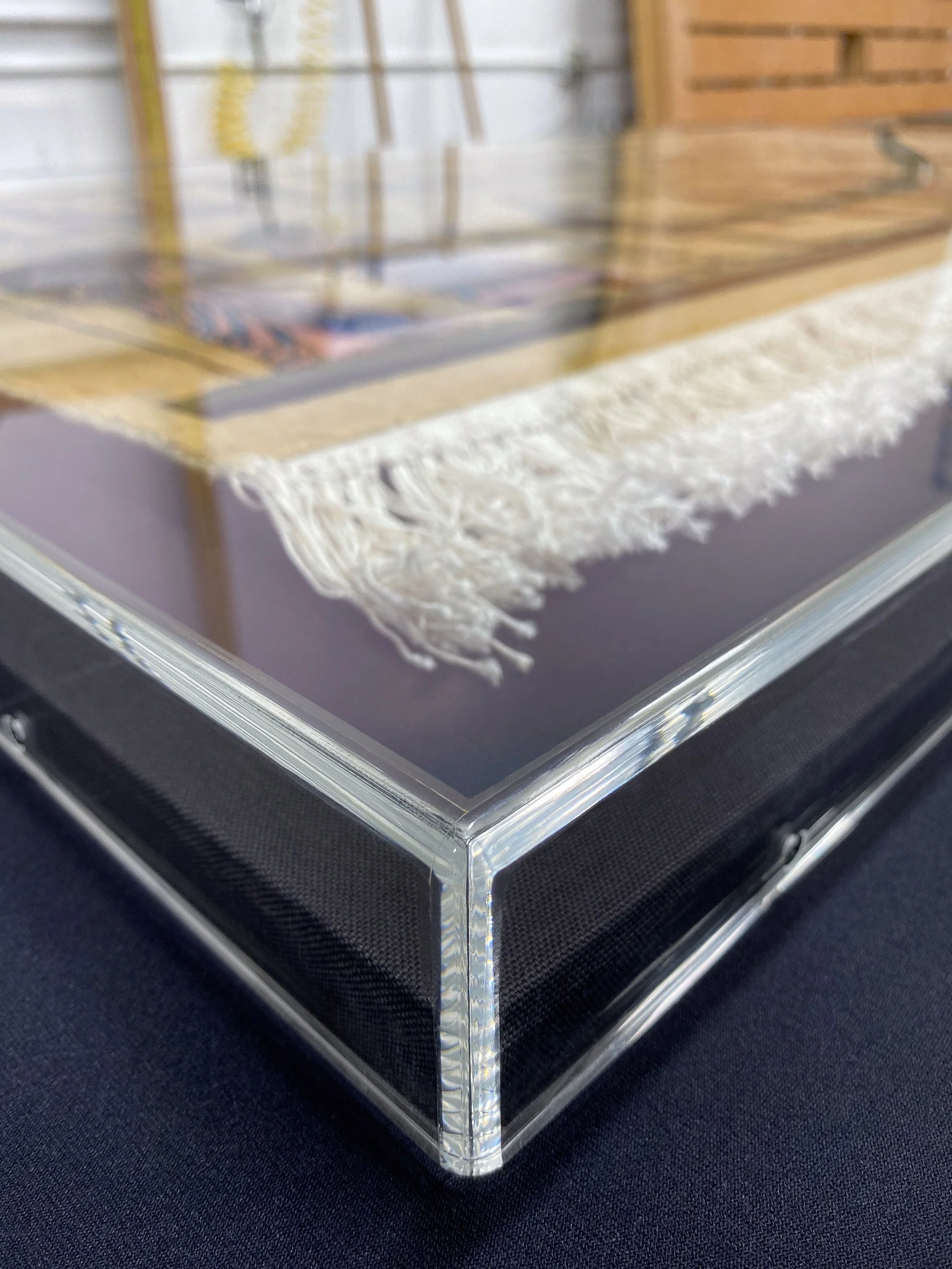
Detail corner shot of a large acrylic wall-mounted display case designed to protect and present a delicate vintage Egyptian rug mounted to a backer covered in black cloth.
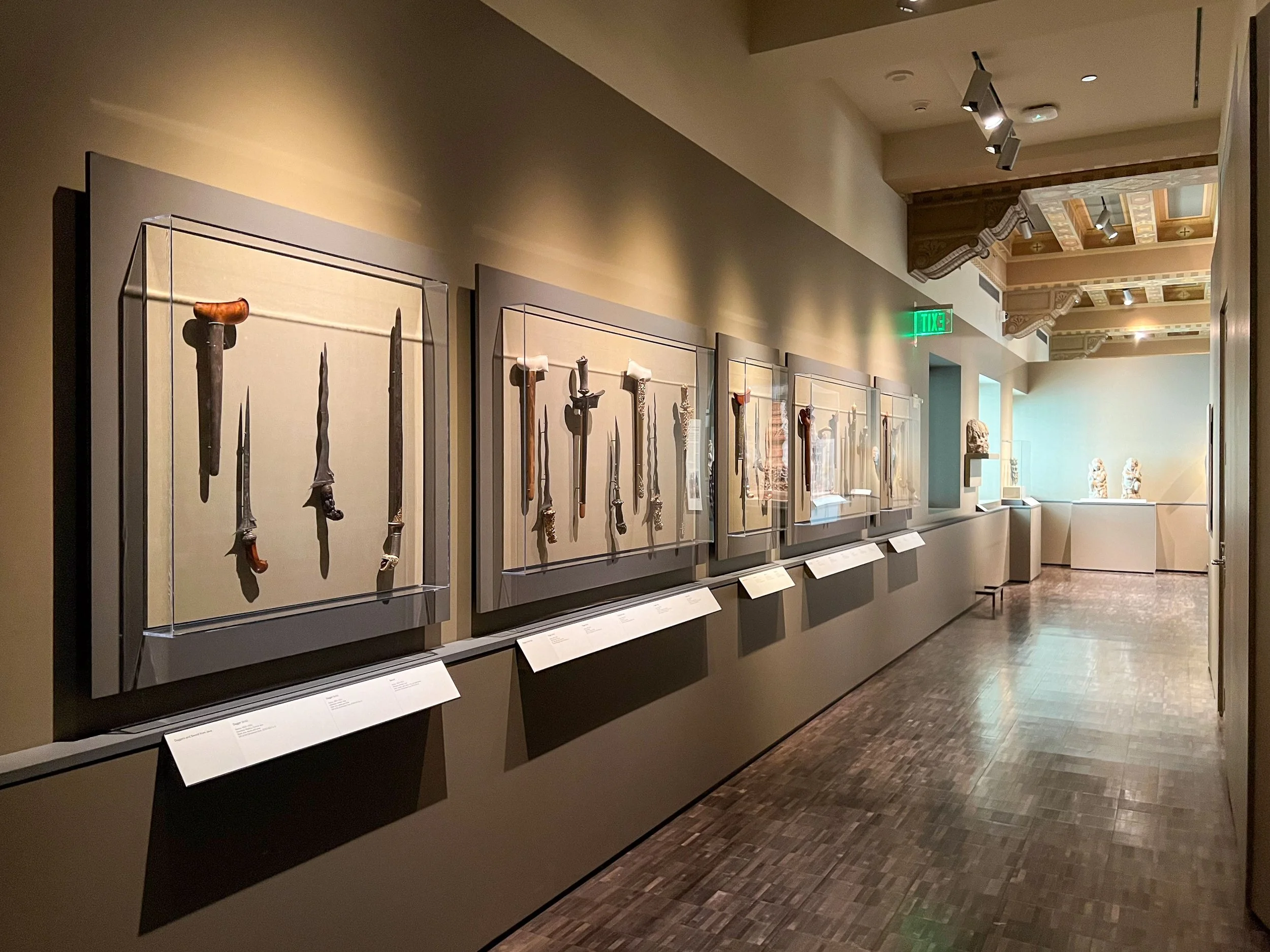
Row of museum wall cases with acrylic vitrines displaying a curated collection in a gallery corridor.
Wall Display Cases
Architectural Plastics designs and fabricates custom wall-mounted acrylic display cases for museums, galleries, exhibit designers, luxury retail, and private collectors—built for clean sightlines, tight tolerances, and professional mounting in high-traffic environments.
Built to spec with options for locks, UV-filtering and low-reflection glazing, and clean mounting for high-traffic environments.
If you already have dimensions and a mounting location, we can build to your spec. If you’re early in the design phase, we can help you define case depth, access method, security level, mounting approach, and glazing options based on the object and the environment.
Built for Real-World Conservation and Display
Wall cases live in high-traffic areas. They get viewed up close, photographed, and scrutinized. We build with the goal of making the enclosure visually disappear while still performing as a protective barrier.
Common requirements we design around:
Clear viewing with minimal distortion and clean edges
Dust control and tight fit-up
Optional UV protection and low-reflection viewing surfaces
Access that doesn’t risk the object during servicing
Security hardware options for public-facing installations
Mounting solutions that are stable, repeatable, and service-friendly
Wall Case Styles and Access Options
Different objects and locations require different access. We build wall cases around how the case will be used, not just how it looks.
Typical configurations include:
Lift Off Vitrines - for simple servicing and clean lines
Hinged Door Wall Cases - when frequent access is required
Front and Side Access Designs - to match the display environment
Shadow Box Depth Options - for objects that need breathing room from the glazing
Multi-Bay, Modular Wall Case Systems - for collections and traveling exhibits
Materials and Glazing Options
Not all “clear” is equal. We select materials based on optical clarity, scratch behavior, edge finish, and the performance requirements of the display.
Common options include:
Museum-grade acrylic and premium glazing options when specified
Tru Vue Conservation Clear® Acrylic (UV-filtering) when conservation protection is required
Tru Vue Optium Museum Acrylic® cases for premium museum-grade viewing performance
Non–Tru Vue museum-grade acrylic options (when a project calls for a specific spec or preference)
Thickness selection based on span, size, and durability needs
Polished edges and detail finishing for close viewing
Seamed construction for large wall cases when single-sheet glazing isn’t feasible
Architectural Plastics, Inc. is one of the few fabricators in the world set up to deliver complete cases using Tru Vue Optium Museum Acrylic®. If you have a conservation requirement or a glazing preference (UV filtering, low reflection, or maximum clarity), tell us up front and we’ll build the glazing package around it.
Large-Format Wall Cases for Oversized Art
We do a significant amount of work for large-format artwork and oversized objects where clean viewing, precise fit-up, and careful handling matter. Our largest wall-case glazing to date has been 10' x 21'.
If you’re working at oversized scale, we’ll recommend the safest construction approach (panel strategy, seams where required, thickness, mounting plan, and glazing package) based on size, location, and access needs.
Mounting and Safety
A wall case is only as good as its mounting plan. We design with installation realities in mind so the case is stable, level, and serviceable.
We can build around:
Backing panels and mounting interfaces
French cleats and hidden mounting strategies
Pre-planned fastener locations for repeatable installs
Weight, load distribution, and wall conditions (drywall vs. blocking vs. masonry)
Hardware and Display Integration
Wall cases often need to match existing exhibit standards or servicing requirements. We build around the functional needs of the space so the case is secure, clean, and serviceable.
Common requirements include:
Locking hardware and keyed access (when required)
Access planning for safe object handling and servicing
Glare control through glazing choice and case geometry
Coordination with exhibit designers and installers for repeatable installs
FAQs
What’s the difference between a wall case and a shadow box?
A wall display case is typically designed as a true protective enclosure for objects, often with defined access, security, and mounting requirements. “Shadow box” language is common in framing. We can build either style, but our wall cases are usually specified for object protection and professional installation.
Can you make locking wall cases?
Yes. If security matters, tell us the environment (public gallery, retail floor, private residence) and we’ll recommend the right approach.
Do you build oversized wall cases?
Yes, including multi-panel and seamed constructions when single-sheet glazing isn’t feasible. We regularly support large-format artwork and oversized installations, including projects up to 10' x 21' in glazing size.
Can you build wall cases using Tru Vue Conservation Clear® Acrylic or Tru Vue Optium Museum Acrylic®?
Yes. We offer Tru Vue Conservation Clear® Acrylic (UV-filtering) and Tru Vue Optium Museum Acrylic® cases when specified.
Can you match an existing case design?
Usually, yes. Send photos, dimensions, and any requirements around access, security, mounting, and glazing performance.
Do you ship wall cases?
Yes. We build for safe transport with packaging appropriate to the size, finish level, and destination.