

















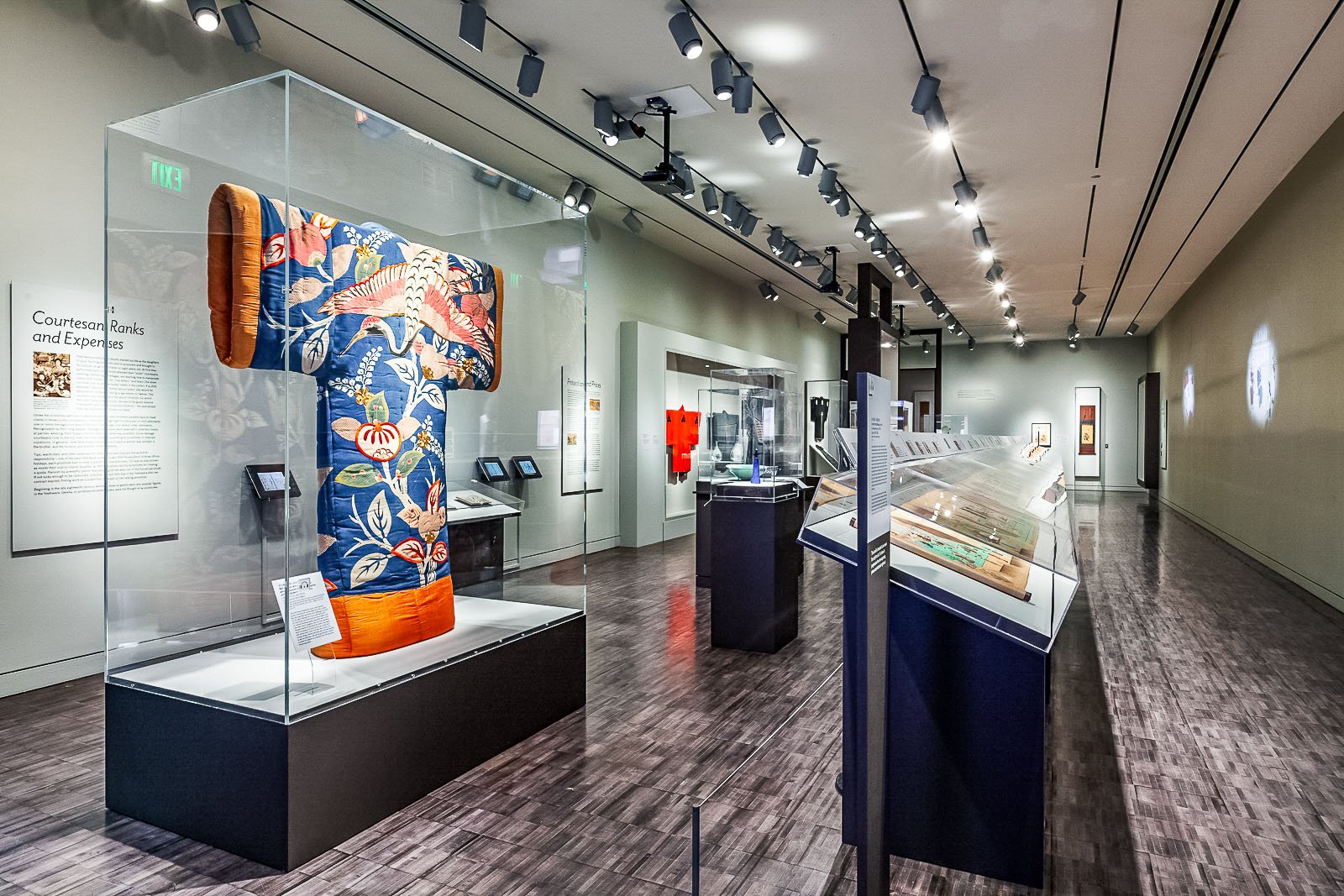


Display Cases + Pedestals
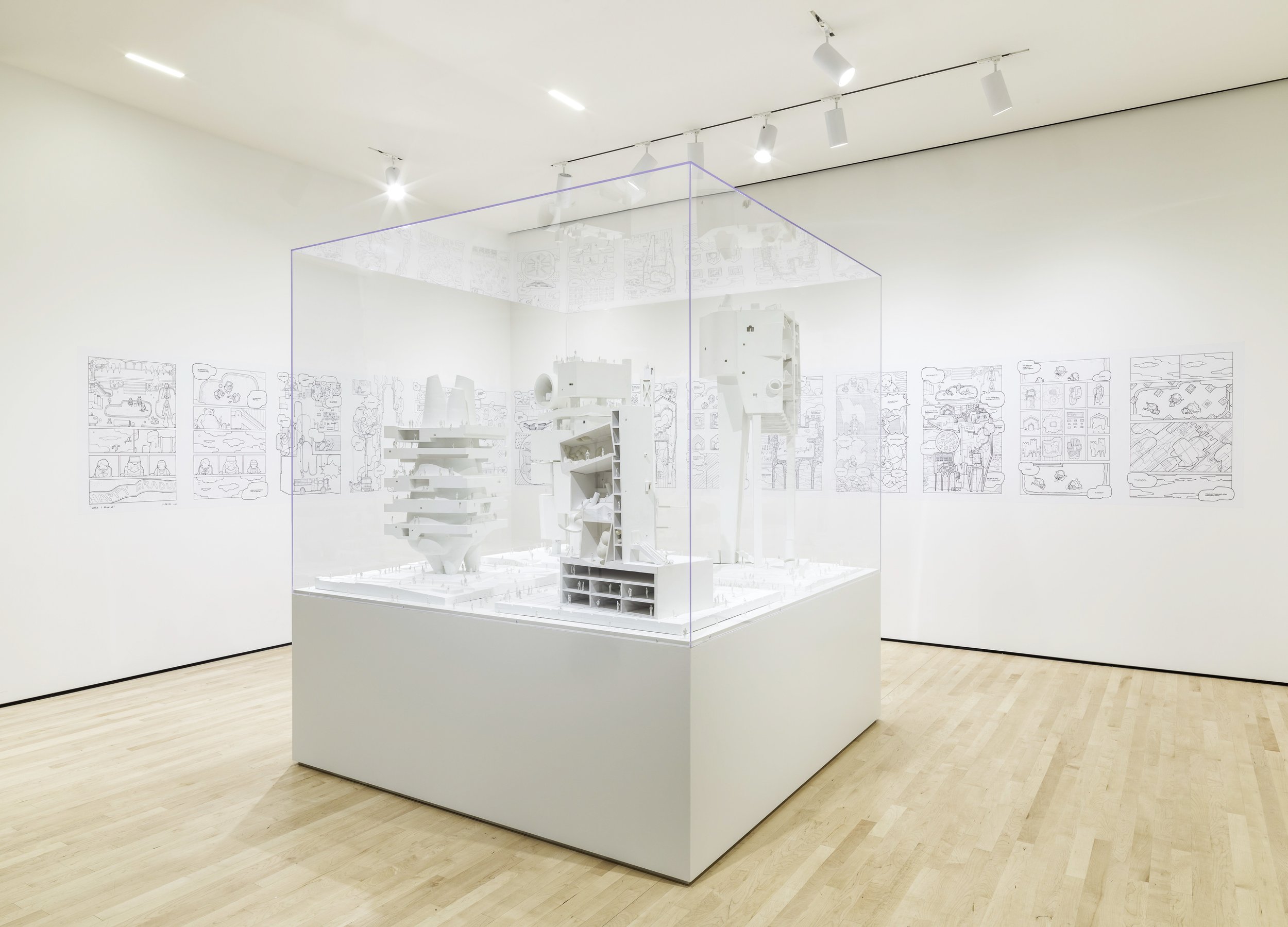
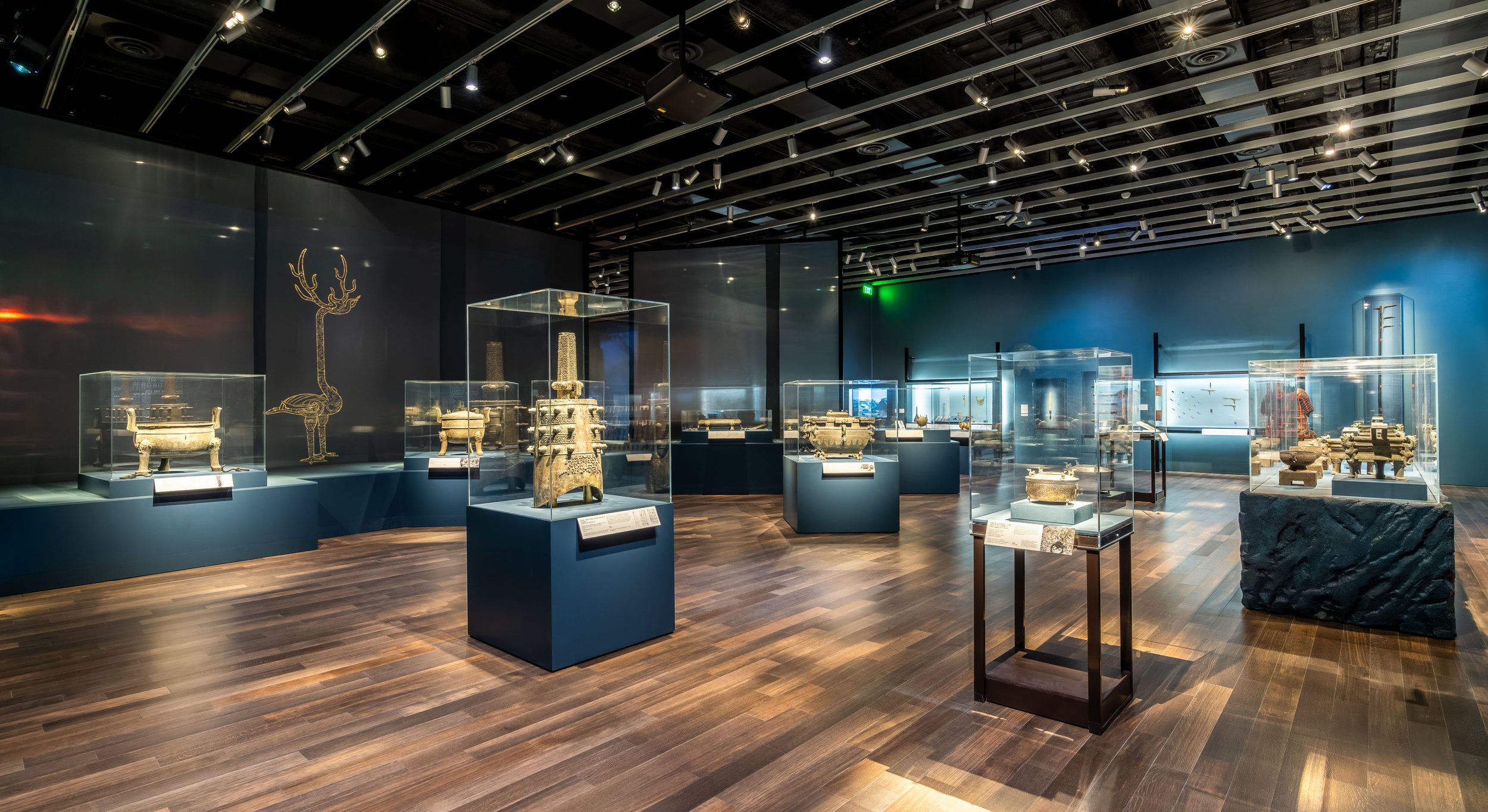
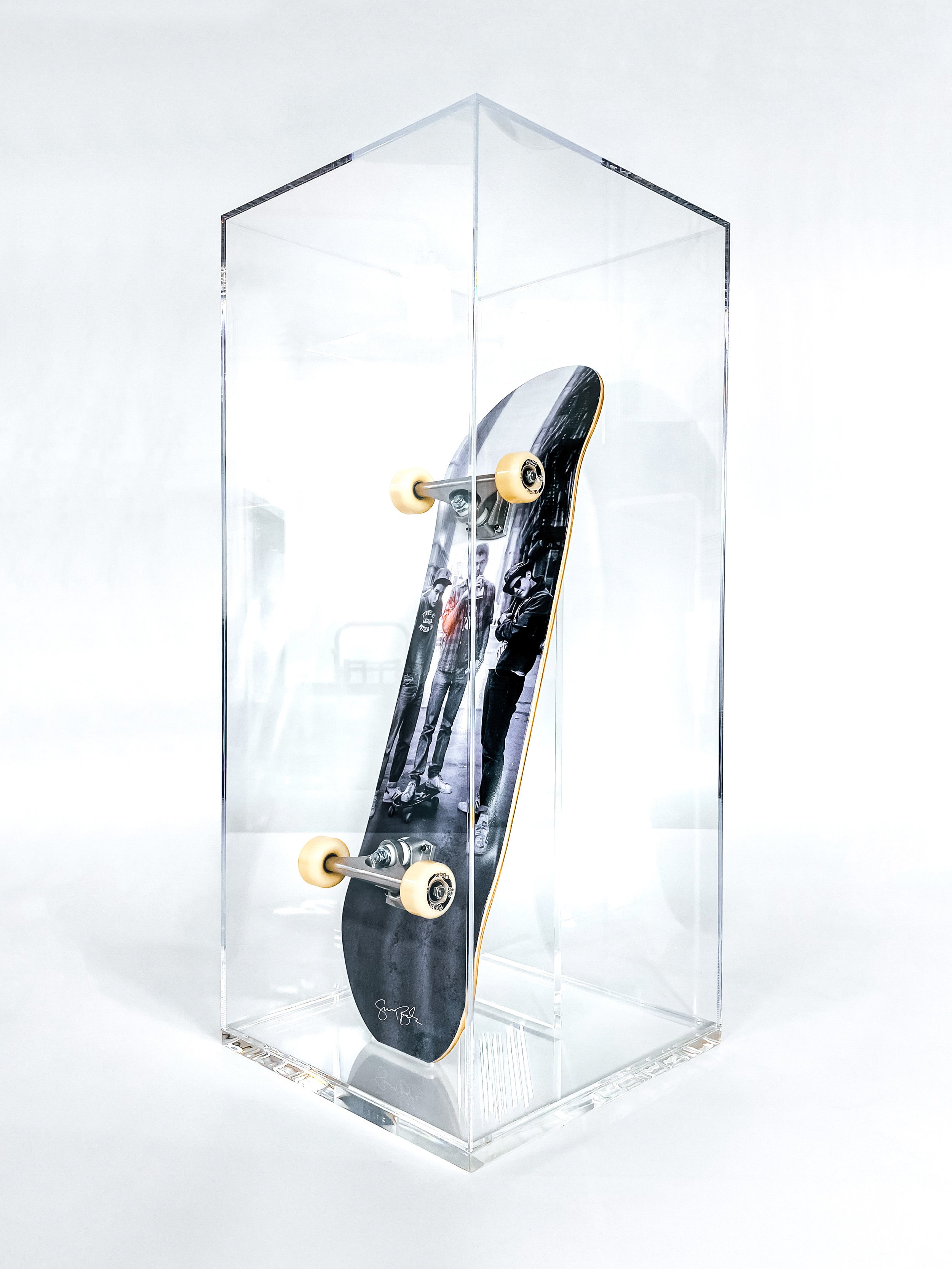
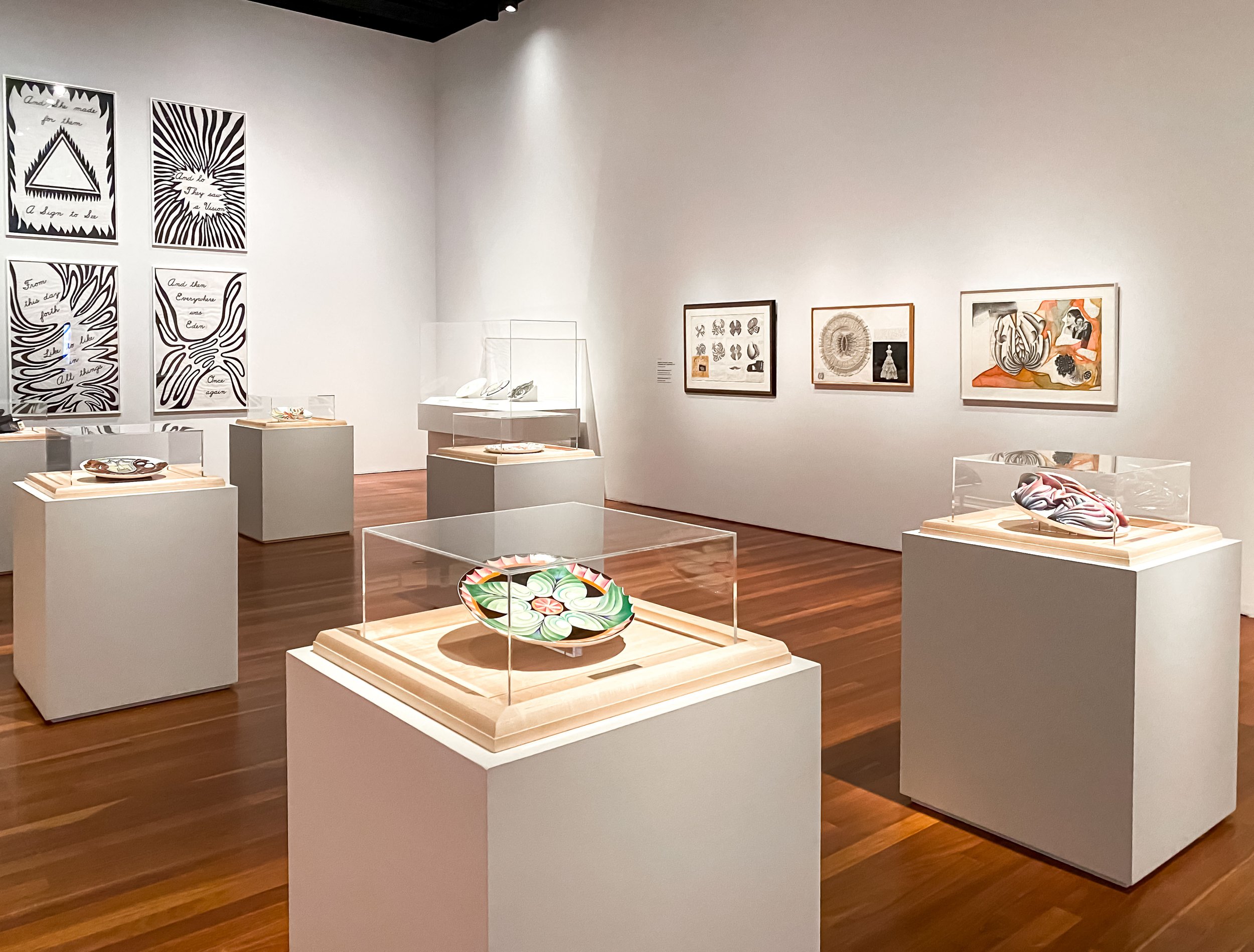
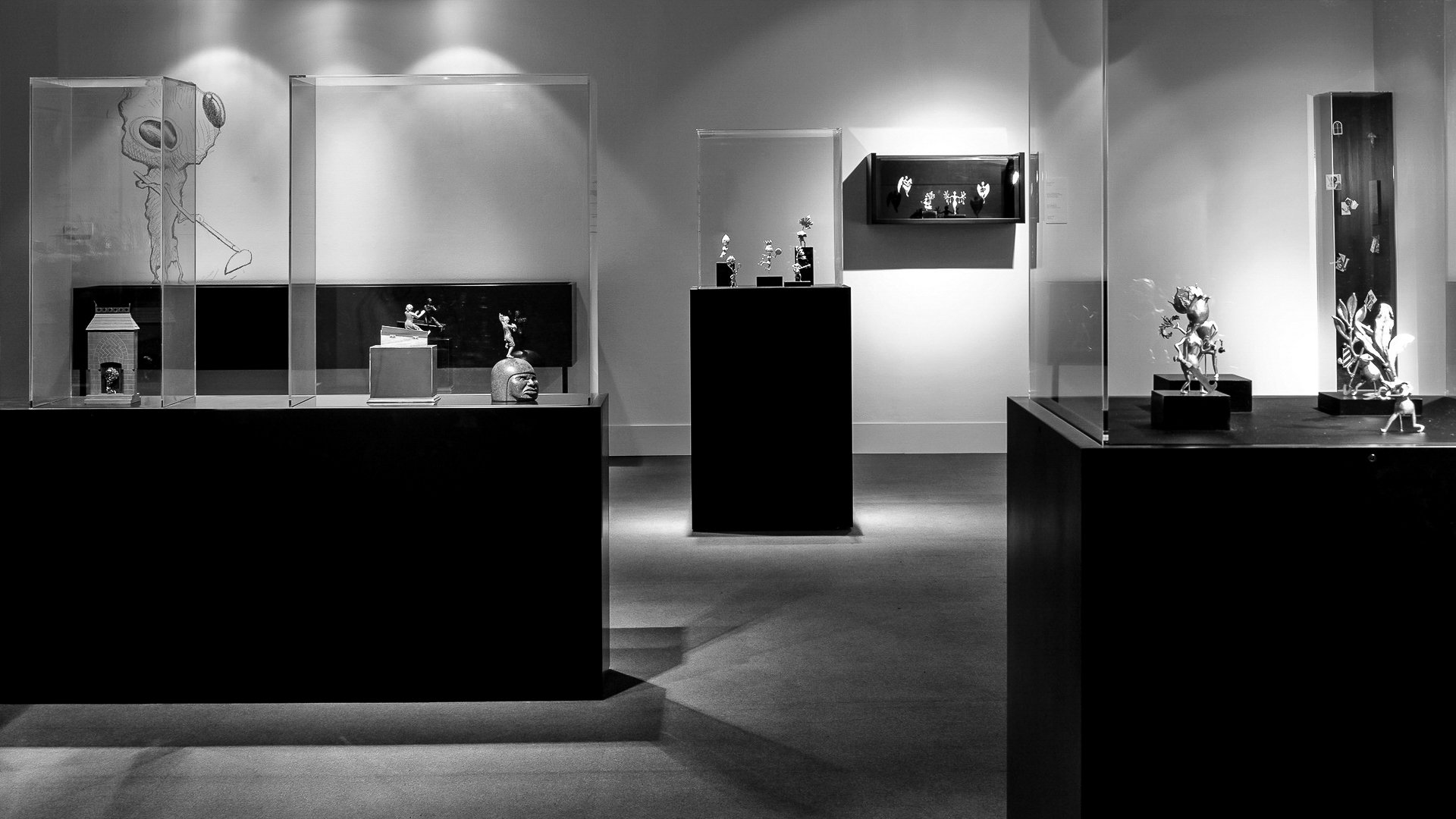
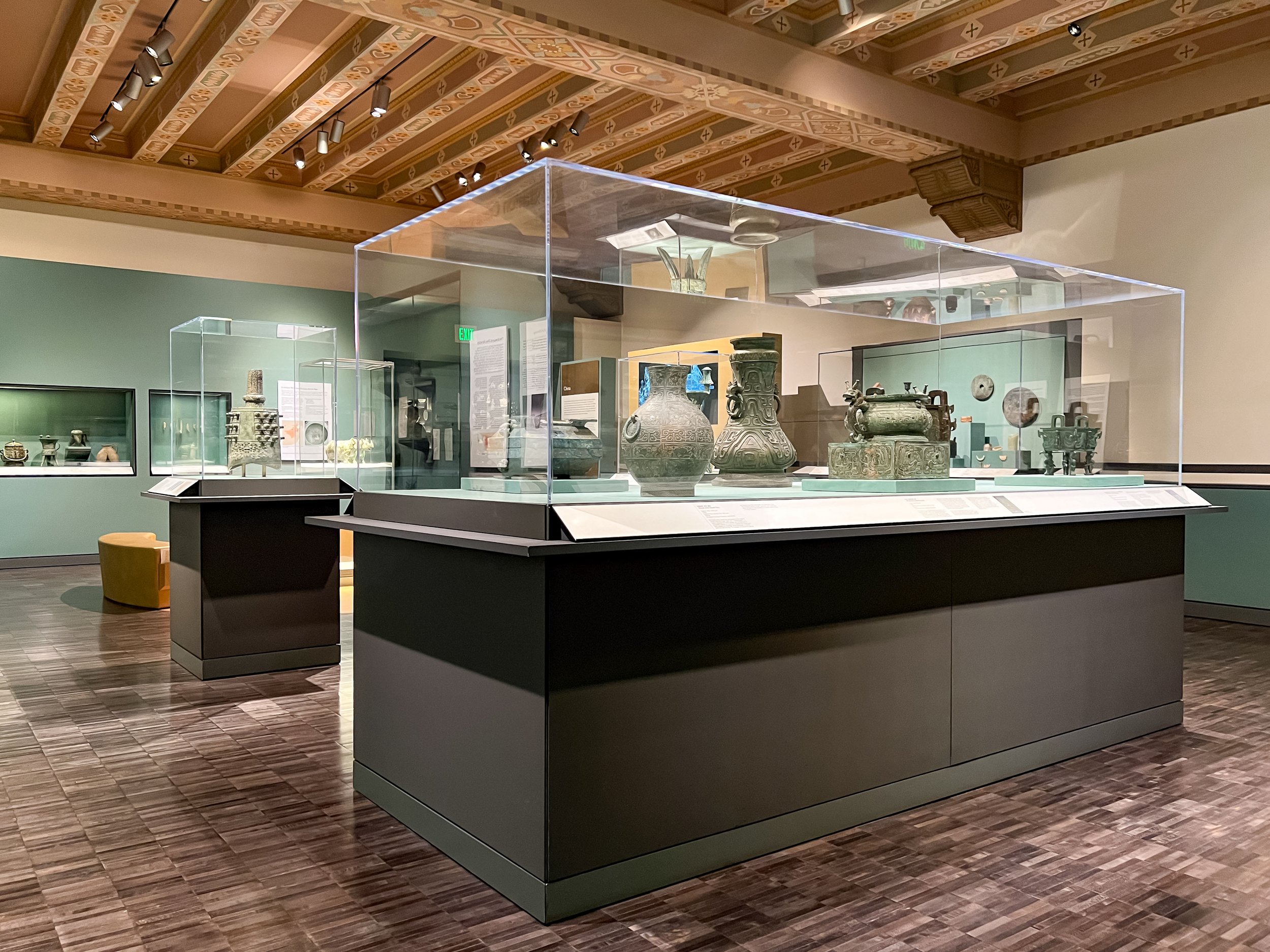
Architectural Plastics designs and fabricates integrated display systems: clear acrylic display cases paired with matching pedestals built to present, protect, and elevate the object. These are used by museums, galleries, luxury retail, corporate environments, and private collectors when the presentation needs to feel intentional and the build quality needs to hold up under close viewing.
A case without the right base looks unfinished. A pedestal without the right case looks incomplete. We build them as a matched system so proportions, finish, access, and stability all work together.
What We Build
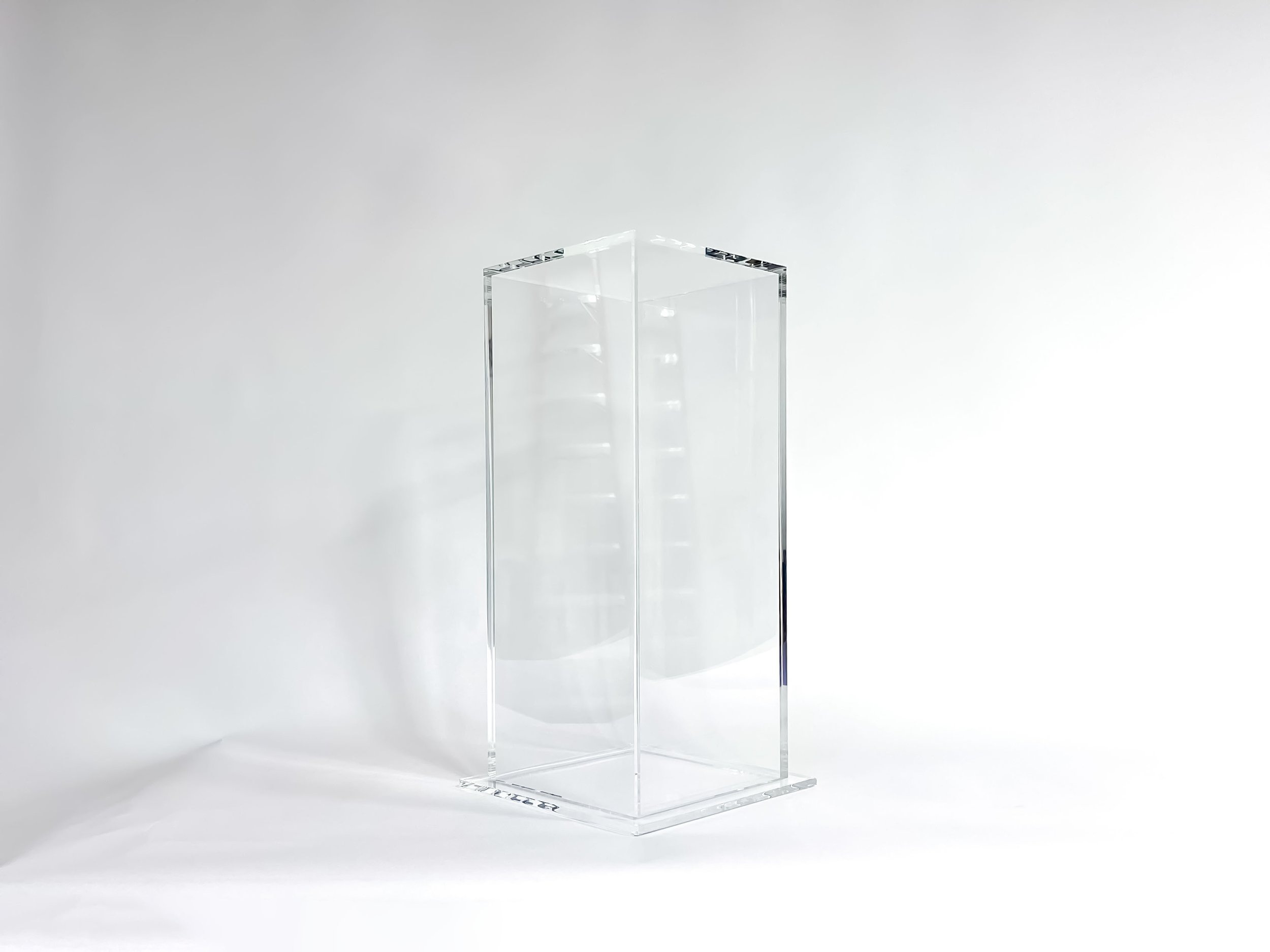
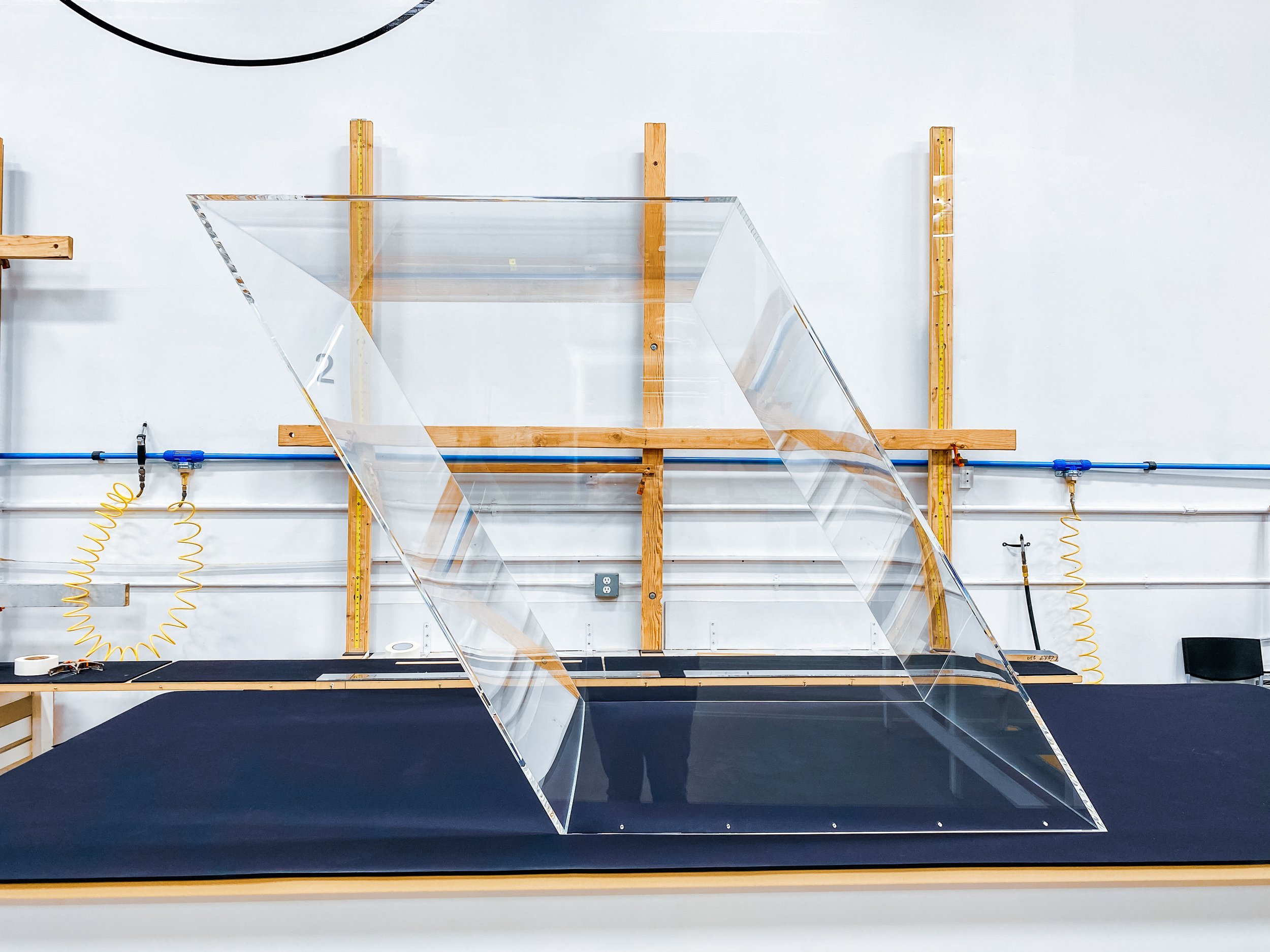
Acrylic display cases paired with matching pedestals (designed as one system)
Lift-off cases for clean lines and simple servicing
Hinged-door cases when frequent access is required
Locking options for public-facing environments
Clean, tight fit-up for dust control when required
Premium glazing options when specified (low-reflection and UV-filtering options available)
Installation-ready pedestals with integrated access and service planning
Pedestal Design That Matches the Object
Pedestals do more than hold weight. They establish scale, sightline height, and the overall “presence” of the display. We build bases that are visually quiet when they should be, and bold when the design calls for it.
Common pedestal options include:
Shadow reveals and floating base details
Painted finishes, wood veneers, laminates, or solid-surface tops when specified
Hidden access panels for power, lighting drivers, or security hardware
Leveling for imperfect floors and consistent reveal lines
Ballast planning for stability in public environments
Case Details That Read Premium Up Close
Acrylic display cases get judged from inches away. Seam quality, edge quality, and optical clarity matter. We plan the case around how it will be viewed, how it will be serviced, and what level of protection is required.
Typical case options include:
Lift-off vs hinged access planning
Hardware selection to match the environment (discreet, durable, serviceable)
Clean edge finishing and polish level matched to the application
Gasketing or fit-up strategies for dust control when required
Venting or pass-through planning when required for electronics
How Projects Run
Send reference photos, overall dimensions, and the object information (weight, fragility, mounting needs). We’ll help define pedestal footprint, case size, access method, and finish level. For repeat needs, we can standardize a system so future displays match and reorders stay consistent.
What to Send for a Quote
To quote a display case + pedestal system quickly, send:
Overall target dimensions (or available footprint and maximum height)
Object size and weight (and whether it needs a mount)
Public-facing or private environment (security requirements)
Access preference (lift-off or hinged)
Finish direction for the pedestal (paint, veneer, laminate, solid surface)
Quantity, deadline, and ship-to city
Any drawings, sketches, or reference images
FAQ
Do you design the pedestal and case as a matched set?
Yes. That’s the point of this page. The pedestal proportions, finish, and access planning are designed around the case and object.
What’s better: lift-off or hinged access?
Lift-off looks cleaner and is simple for occasional servicing. Hinged access is better when the object needs frequent access or when staff want controlled opening without lifting.
Can you add locks?
Yes. If the display is public-facing, tell us the environment and we’ll recommend an appropriate approach.
Can you include lighting?
Yes. We can plan for concealed power routing and lighting integration when required.
Do you ship these systems?
Yes. We package and crate to protect the finish level and the acrylic during transit.